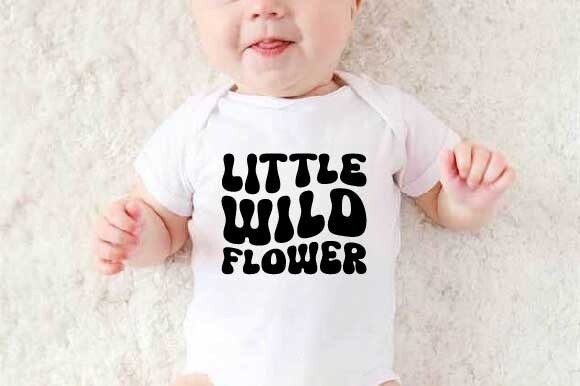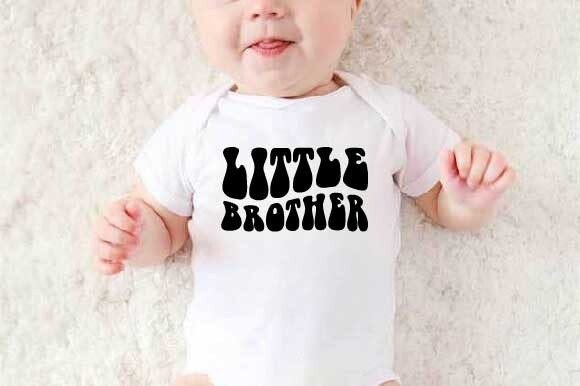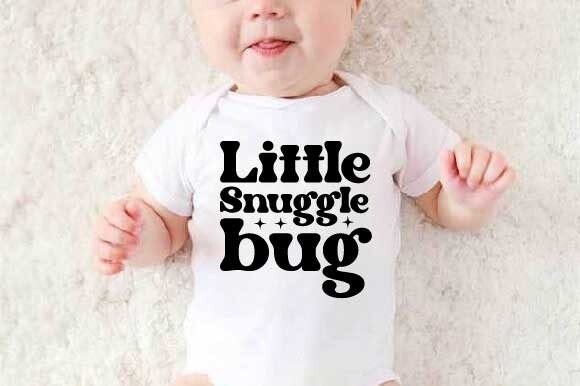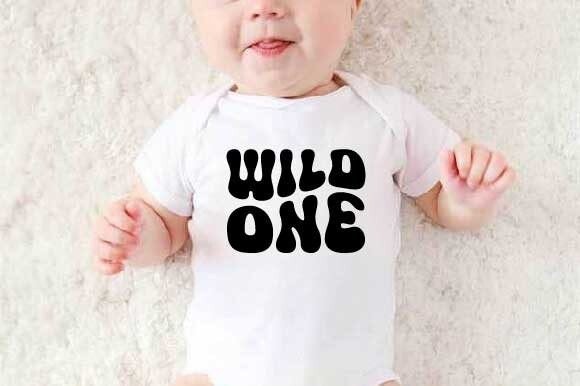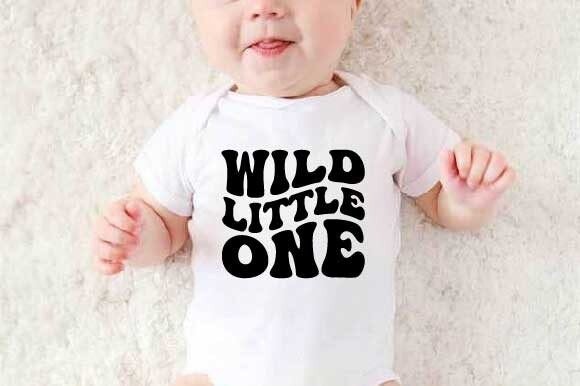
Wild Little One Retro SVG Review
As a designer who spends more time troubleshooting stitch errors than admiring finished products, I approach every new digital asset with a healthy dose of skepticism. The market is flooded with "cute" graphics that look charming on a screen but fall apart when translated into thread. That is exactly why I decided to put the Wild Little One Retro SVG through its paces before recommending it for any commercial or personal embroidery project. This isn't just another instant download; it is a potential cornerstone for a boutique brand, provided you understand how it behaves in real-world application.
The moment I imported the file into my digitizing software, the retro aesthetic was immediately apparent. It carries a specific mood—nostalgic, playful, and slightly rebellious without being aggressive. For an embroidery designer, this visual personality is crucial. It suggests that this design belongs on items that celebrate individuality: custom baby onesies, trendy tote bags, or personalized sweatshirts for young creatives. However, looking good in a vector format is one thing; stitching it out reliably is another. Here is my honest breakdown of how this embroidery file performs when it leaves the digital realm.
First Impressions and Visual Personality
The layout of the Wild Little One Retro SVG feels balanced, which is often the hardest part of retro typography and illustration combinations. It doesn’t feel cluttered, even if it contains intricate details. When I evaluated the shape and theme, I noticed that the curves are smooth enough to handle well with satin stitches, while any text elements appear bold enough to maintain legibility after washing. This is vital for custom apparel where the customer expects the design to last longer than a few laundry cycles.
The retro vibe naturally lends itself to warm color palettes—mustard yellows, burnt oranges, and muted teals. But as a reviewer, I had to ask: does it work in monochrome? Often, complex retro designs lose their charm if they are reduced to black thread on white fabric. In my test runs, I found that this design retains its structural integrity even in high-contrast scenarios, making it versatile for various thread colors and fabric backgrounds. This versatility is a huge plus for Etsy sellers who need to offer customization options without worrying about the design falling apart visually.
Real-World Application: From Screen to Stitch
I tested this design across several common handmade product categories to see where it truly shines. The first scenario was a custom embroidered tote bag. The design’s scale worked beautifully here, providing enough presence to be seen from a distance while remaining detailed enough to reward closer inspection. The retro style pairs exceptionally well with canvas or heavy cotton blends, creating a cohesive craft business aesthetic that appeals to the modern bohemian shopper.
Next, I considered its use on baby items. The phrase "Wild Little One" is a classic favorite for nursery decor and baby gifts. When applied to a soft muslin blanket or a hooded towel, the design needs to be gentle yet distinct. My analysis suggests that this machine embroidery design hits that sweet spot. It is not overly delicate, meaning it won’t get lost in thick terry cloth, but it is not so dense that it would stiffen a baby garment uncomfortably. For personalized gift markets, this reliability translates directly to customer satisfaction and fewer returns due to perceived quality issues.
I also explored its potential for holiday embroidery projects. The nostalgic feel makes it suitable for seasonal merchandise, particularly around autumn or winter holidays where retro aesthetics are trending. Whether used on aprons for family gatherings or pillow covers for home decor, the design adds a touch of warmth and personality that generic clipart simply cannot match. This emotional connection is what drives engagement for small shop owners and creative entrepreneurs.
Where Caution Is Required
No design is perfect, and transparency is key in a professional review. There are specific situations where the Wild Little One Retro SVG requires careful handling. First, consider small hoop sizes. If you attempt to stitch this out on a very small area, such as a tiny patch or a child’s collar tag, you may find that the finer details become muddy. Always check your hoop size constraints before finalizing your product line.
Fabric texture is another critical factor. While this design looks crisp on flat surfaces like hats or caps, curved surfaces can distort the perspective if not stabilized correctly. I recommend using a proper stabilizer to prevent puckering, especially on stretchy fabrics like jersey knits used for t-shirts. Without adequate support, the satin stitch edges might pull, ruining the clean lines that make the retro style appealing.
Additionally, avoid placing this design on thin or highly textured fabrics unless you are prepared for potential show-through issues. Dense stitch areas can create bulk that feels uncomfortable against the skin, particularly on baby clothes. If you are designing for sensitive skin, test the stitch density thoroughly. You might need to adjust the underlay stitches to ensure the design lies flat and smooth. Also, be mindful of dark fabrics; while contrast is good, extremely dark threads on dark backgrounds can obscure the intricate details of the retro pattern. A light background or high-contrast thread choice is usually safer for maintaining clarity.
Practical Notes for Embroidery Designers
Before you rush to list this as a digital embroidery file or start producing inventory, there are several technical steps you must take. First and foremost, always test the design on scrap fabric that matches the weight and type of your final product. This allows you to inspect small details and confirm that the running stitch and fill stitch transitions are seamless.
I also strongly advise testing the design in black and white mockups. This helps you evaluate the balance of positive and negative space independent of color choices. If the design looks unbalanced in grayscale, it will likely struggle in color as well. Furthermore, compare how the design performs on both light and dark fabric backgrounds during your testing phase. This ensures you have a clear strategy for offering variations to your customers.
For those planning to sell finished items, remember to confirm licensing terms. Even though this is an instant download cutting file compatible with machines like Cricut and Silhouette, the rights to sell physical goods made from it vary by creator. Ensure you have the appropriate commercial license to protect your craft business from legal issues. Additionally, consider how this design fits into your overall brand consistency. Does it align with the other design assets you offer? A cohesive catalog builds trust with buyers and encourages repeat purchases.
Final Verdict
The Wild Little One Retro SVG is a strong contender for anyone looking to add a touch of nostalgia and charm to their embroidery projects. Its visual appeal is high, its versatility is broad, and its potential for commercial success is evident. However, success depends on execution. By paying attention to stabilizer choice, fabric compatibility, and stitch quality, you can transform this digital graphic into a premium finished product that customers love.
Whether you are creating embroidered patches, tote bag designs, or unique baby embroidery pieces, this design offers a solid foundation. It respects the craft of embroidery while embracing modern trends. For apparel decorators and makers willing to put in the necessary prep work, the Wild Little One Retro SVG is a valuable addition to your creative toolkit. Just remember: great results come from great preparation. Test, refine, and then create something beautiful.