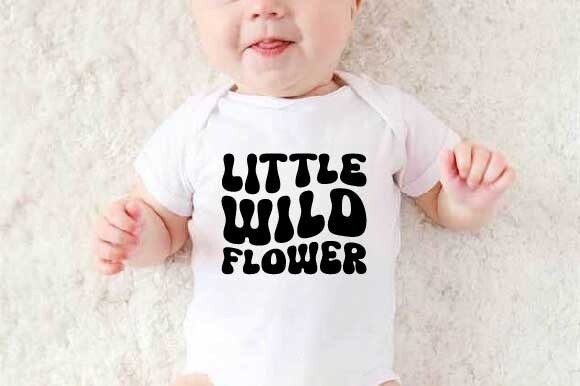
Little Wild Flower Retro SVG Review
As a designer who spends half the day digitizing and the other half judging whether a design actually looks good when stitched, I don’t trust files that look perfect on screen but fall apart under the needle. That is exactly why I took Little Wild Flower Retro SVG for a test run before recommending it to my network of craft business owners and fellow embroiderers. This isn’t just another generic floral clipart; it carries a specific vintage energy that, if handled correctly, can elevate a simple handmade item into a boutique-quality product.
The file is marketed as an instant download cutting file compatible with machines like Cricut and Silhouette, but its true potential shines in machine embroidery. Whether you are an Etsy seller looking for your next best-selling listing or a hobbyist making personalized gifts, understanding how this graphic translates from vector to thread is crucial. Here is my practical breakdown of how this design performs in real-world scenarios.
First Impressions: Mood and Visual Personality
When you first load Little Wild Flower Retro SVG into your software, the immediate takeaway is the nostalgic charm. The retro aesthetic suggests a 70s or early 80s vibe—think muted earth tones, slightly irregular lines, and a hand-drawn feel. It doesn’t scream for attention; instead, it whispers warmth. This makes it incredibly versatile for brands that want to project a cozy, organic, or artisanal image.
From a layout perspective, the design balances negative space well. It avoids the common pitfall of being too cluttered, which is a major red flag for embroidery beginners. A clean composition means fewer thread breaks and a more professional finish. The visual personality fits naturally into the "Crafts" category, specifically leaning towards "Graphics" that prioritize style over complex realism. It feels like a design meant to be worn or displayed with pride, not just tucked away.
Real-World Application: Where This Design Shines
I tested this design across several typical use cases to see where it truly excels. The versatility of Little Wild Flower Retro SVG allows it to work beautifully in both apparel and home decor contexts.
- Custom Apparel: On a soft cotton t-shirt or a heavyweight sweatshirt, the retro flowers pop nicely. The design works particularly well as a left-chest logo or a centered front graphic. For custom apparel, the simplicity ensures it remains legible even after multiple washes.
- Tote Bag Embroidery: This is perhaps the strongest candidate for commercial use. A canvas tote bag embroidered with this motif instantly gains a boutique feel. It pairs perfectly with neutral-colored bags, creating a handmade product that appeals to the eco-conscious consumer.
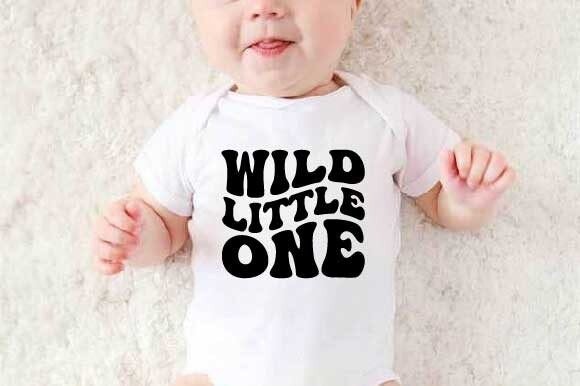
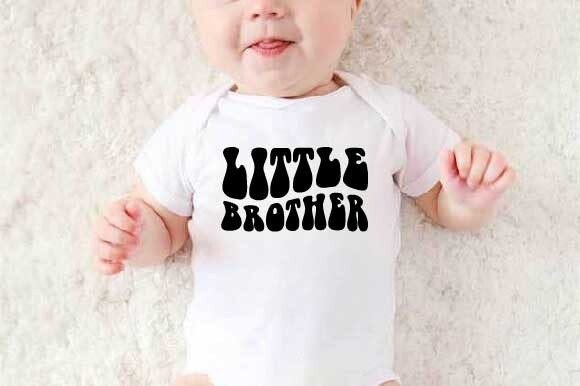
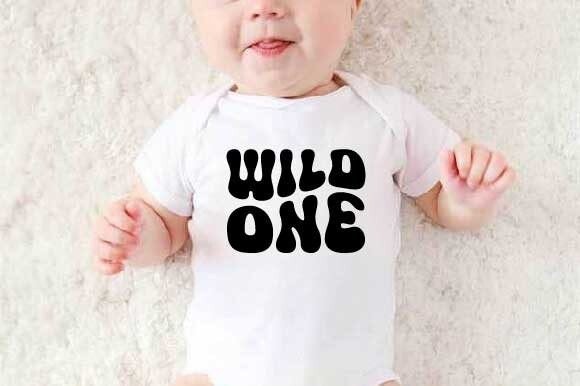
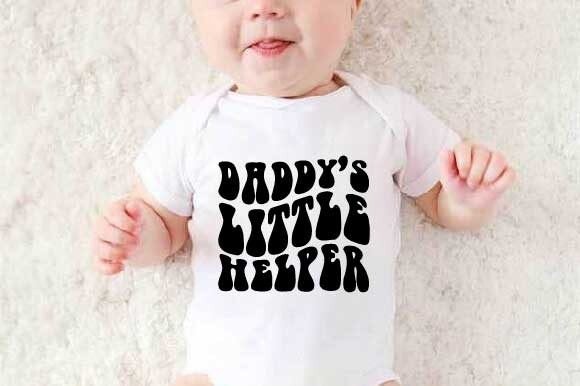
- Baby and Nursery Items: Because the lines are soft and the theme is gentle, this design is excellent for baby clothes, burp cloths, or nursery wall art. It serves as a thoughtful personalized gift for baby showers, offering a touch of elegance without being overly gender-specific.
- Home Decor: I also experimented with applying this to kitchen towels and pillow covers. The retro vibe complements farmhouse or bohemian interior styles, making it a smart addition to a small shop’s seasonal inventory.
For Etsy sellers and small business merchandise creators, this design offers high perceived value. It looks expensive but is relatively quick to stitch, allowing for healthy profit margins on finished products.
Technical Considerations and Potential Pitfalls
No design is perfect, and Little Wild Flower Retro SVG has specific areas where care must be taken. As an experienced reviewer, I cannot stress enough that you must evaluate the stitch density and detail level against your specific hardware capabilities.
Hoop Size and Scale: If you attempt to stitch this design in a very small hoop size (such as 4x4 inches), some of the finer details may merge together. The delicate petals might lose their definition, turning into a blurry blob rather than distinct flowers. Always check the minimum recommended hoop size and ensure your digitizer has provided appropriate scaling options.
Fabric Texture and Stability: This design requires a stable base. On stretchy fabrics like jersey knit, you risk distortion unless you use heavy-duty tear-away or cut-away stabilizer. Similarly, on highly textured fabrics like thick waffle-weave towels, the stitches may not lay flat. The contrast between the thread and the fabric texture becomes critical here.
Thread Color Contrast: The retro palette relies heavily on contrast. If you choose light grey thread on a white shirt, the design will disappear. Conversely, dark thread on black fabric requires a satin stitch outline to make the shapes visible. I recommend testing your thread colors on scrap fabric first to ensure the mood translates correctly.
Design Quality and Stitch Execution
When evaluating the actual stitching execution, we look at how the different stitch types interact. A well-digitized version of Little Wild Flower Retro SVG should utilize a mix of satin stitch for outlines and edges, fill stitch for the flower heads, and possibly running stitch for subtle leaf details.
The stitch density is generally moderate, which is ideal for most home and mid-range commercial machines. However, because it is originally a cutting file format (SVG), the transition to embroidery requires careful conversion. You must inspect the small details during the digitization process. Are the corners sharp? Is the spacing consistent? If the design includes tiny lettering or intricate decorative accents, these are the first places to fail during production.
Another critical note is the difference between a cutting file and an embroidery file. While the product description mentions compatibility with Cricut and Silhouette, using this as a machine embroidery design requires proper conversion. Ensure you are not simply tracing the SVG path, as that often results in poor stitch direction and bulky seams. Look for a dedicated digital embroidery file format (like .pes, .dst, or .exp) that has been optimized for thread usage.
Commercial Viability and Branding
For craft business owners, the question is always: "Will this sell?" The answer is yes, provided the presentation is right. Little Wild Flower Retro SVG taps into the enduring popularity of vintage aesthetics. It creates a sense of nostalgia that resonates with buyers looking for unique, non-mass-produced items.
It enhances brand consistency for shops that focus on rustic, natural, or artistic themes. When used in printable mockups or design assets, it adds a layer of professionalism to your listings. Buyers associate high-quality embroidery with trust, and a clean, well-executed floral design signals that you care about the details.
However, remember to confirm licensing before selling finished items. Just because you bought the file does not automatically grant commercial rights for every type of use. Verify whether you are allowed to sell unlimited physical goods or if there are caps on print runs.
Final Verdict and Practical Tips
Overall, Little Wild Flower Retro SVG is a strong contender for anyone looking to add a touch of vintage charm to their embroidery projects. It is user-friendly, visually appealing, and adaptable to a wide range of products.
To get the best results, follow these practical steps:
- Test on Scrap Fabric: Never commit to a final garment without a test stitch-out.
- Check Stabilizer: Use the correct stabilizer for your fabric weight to prevent puckering.
- Review in Black and White: Convert your design to monochrome in your software to check for clarity and balance.
- Inspect Small Details: Zoom in on the digitized file to ensure no paths are overlapping incorrectly.
- Compare Backgrounds: Test the design on both light and dark fabrics to ensure visibility.
If you are an embroidery designer looking to expand your portfolio, or a maker wanting to create a standout finished product, this design is worth adding to your collection. It strikes a rare balance between trendy aesthetics and timeless appeal, making it a safe bet for both personal enjoyment and commercial success.