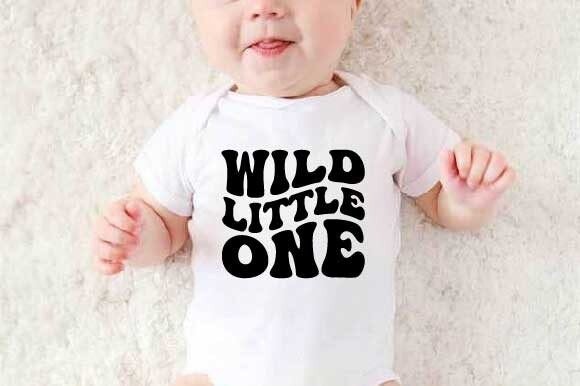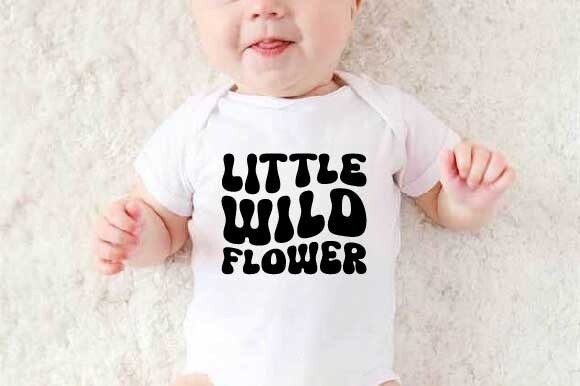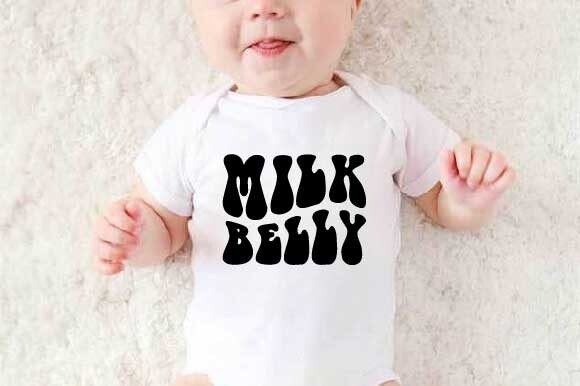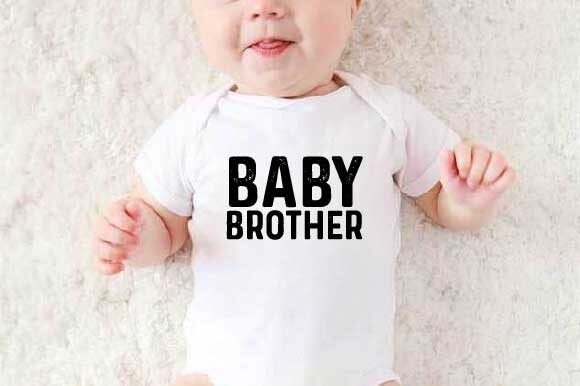
Wild One Retro SVG Embroidery Review
As a designer who spends more time judging stitch density than browsing social media, I approach every new digital asset with a healthy dose of skepticism. The market is flooded with generic clipart masquerading as professional embroidery files, and the line between a charming handmade product and a cluttered mistake is often just a few millimeters of poor placement or incorrect thread choice. That is why I took Wild One Retro SVG out for a test drive before recommending it to my network of craft business owners, Etsy sellers, and serious hobbyists. This isn't just about whether the file opens correctly in your software; it is about whether the design holds up when it hits the hoop and enters the hands of a customer.
First Impressions: Mood and Visual Personality
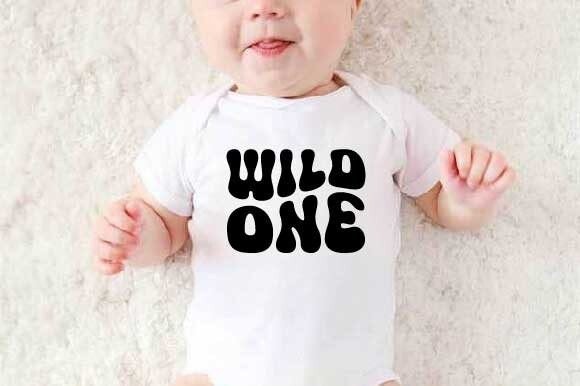
The moment you load Wild One Retro SVG, the aesthetic intent is clear. It taps into that nostalgic, mid-century modern vibe that has been dominating home decor and apparel trends for the last few years. However, nostalgia can be tricky in embroidery. What looks clean on a screen can easily become a muddy mess under the needle if the negative space isn't respected. From a design perspective, this file strikes a balance that many competitors miss. It feels playful without being chaotic, and bold without requiring an overwhelming amount of thread.
The visual personality suggests versatility. It doesn't scream "baby shower" exclusively, nor does it whisper "corporate retreat." Instead, it sits comfortably in the sweet spot of lifestyle branding. For a small shop owner looking to create a cohesive collection, this design offers enough character to stand out in a crowded feed but enough simplicity to pair well with other elements. It feels like a piece of art rather than just a sticker slapped onto fabric. This distinction matters because customers are increasingly discerning; they can tell the difference between a mass-produced print and a thoughtfully executed embroidered piece.
Real-World Application: Where This Design Shines
To truly evaluate any machine embroidery design, you have to imagine it on a finished product. I ran through several scenarios in my head, simulating how Wild One Retro SVG would perform in actual production runs.
Consider the custom tote bag market. This is a saturated niche, but there is always room for high-quality execution. Imagine this design centered on a heavy canvas bag. The retro lines would contrast beautifully against the textured weave of the canvas. Because the design likely relies on clean lines rather than intricate shading, it translates well to larger formats where detail loss is common. It works particularly well as a statement piece on the front panel of a tote bag design, creating an immediate hook for passersby at a craft fair.
Another strong contender is sweatshirt embroidery. The retro theme pairs naturally with heavyweight cotton blends found in hoodies and crewnecks. When placed over the heart or centered on the back, the design gains a sense of weight and permanence. Unlike a cheap heat transfer that peels after a few washes, an embroidered version of this file signals durability. For a boutique branding strategy, this adds perceived value. A customer paying a premium price expects the finish to match the quality of the garment, and this design provides the visual anchor needed to justify that price point.
We cannot overlook the personalized gift angle. Whether it is for a baby’s nursery decor, a milestone birthday shirt, or a holiday gift, the retro aesthetic has broad appeal. It feels timeless enough to be kept as a keepsake but trendy enough to feel current. In the realm of holiday embroidery, this design could serve as a unique alternative to traditional seasonal motifs, appealing to buyers who want something less cliché yet still festive.
Technical Considerations and Potential Pitfalls
While the artistic merit is solid, practical application requires caution. Not all fabrics are created equal, and not all hoops are large enough to accommodate every creative vision. Here is where I urge designers to pause and plan.
Stitch Density and Fabric Texture: If you are planning to use this on a highly textured fabric, such as a chunky knit or a rough burlap, you need to ensure the underlying structure of the design can handle the uneven surface. Dense fill stitches might struggle to lay flat on such materials. Always check your stitch density settings. If the design calls for tight packing, consider adjusting the tension or switching to a lighter stabilizer to prevent puckering. Conversely, on smooth fabrics like jersey or rayon, the design will pop, but you must be vigilant about shifting. A proper stabilizer is non-negotiable here; without it, even the best design will look distorted.
Small Details and Lettering: While the prompt mentions compatibility with various cutting software, we must translate that to embroidery realities. If the design includes tiny text or fine decorative accents, test it in a smaller hoop size first. Tiny details often get lost in the stitching process, especially if using standard polyester threads. If the lettering becomes illegible after stitching, the entire design loses its impact. I recommend converting the design to black and white in your software to inspect the spacing and clarity before committing to expensive thread colors.
Curved Surfaces: Applying this to caps or hats introduces curvature challenges. The design needs to be digitized or positioned specifically to account for the curve of the brim or crown. Flat-lay mockups can be deceiving. A design that looks perfect on a pillow cover may warp significantly on a curved cap. If you are selling embroidered patches or cap designs, ensure your machine can handle the curvature or use a specialized cap frame to maintain alignment.
Thread Color and Contrast Strategy
The success of Wild One Retro SVG heavily depends on your thread colors. Retro aesthetics often rely on muted tones, pastels, or high-contrast primaries. Avoid muddying the palette by choosing threads that clash with the base fabric. For instance, a light pastel thread on a dark denim background might require a cutwork or applique technique to ensure visibility. On the other hand, using a bold, saturated color on a neutral beige or white fabric will make the design sing. Test your combinations on scrap fabric to check for contrast issues. Sometimes, a single change in thread shade can transform a mediocre result into a professional-grade product.
Final Verdict for the Creative Entrepreneur
Ultimately, Wild One Retro SVG is a versatile addition to any designer’s library. It bridges the gap between artistic expression and commercial viability. It is suitable for everything from quick personal projects to high-volume craft business inventory. However, its success hinges on your attention to detail during the production phase.
Before adding this to your catalog or starting your next client project, remember these golden rules: always test on scrap fabric, verify your hoop size limitations, and confirm your licensing rights if you intend to sell finished items. For Etsy sellers and small shop products, this design offers the kind of visual appeal that drives engagement. It looks professional, it feels handmade, and it fits seamlessly into the current trend landscape.
If you are looking for a reliable digital embroidery file that delivers consistent results across multiple fabric types, this is a strong candidate. Just keep your eyes open for those small details, respect the limits of your machine, and let the quality of your finish speak for itself. In a world of disposable goods, a well-executed embroidered piece stands out—and that is exactly what your customers are buying.