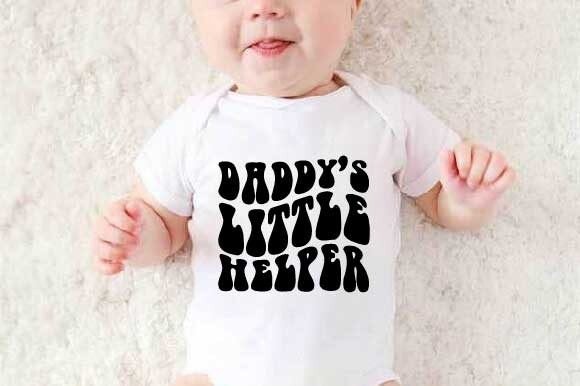
Daddy s Little Helper Retro SVG Review
As a designer who spends half her life staring at stitch charts and the other half trying to sell handmade goods, I have learned that not every cute graphic translates well into thread. There is a distinct gap between a vector that looks good on a screen and an embroidery file that holds up under the tension of a needle. Today, I am breaking down Daddy s Little Helper Retro SVG, evaluating it not just as a digital asset, but as a potential product for real-world application. This review focuses on how this design performs when moved from your cutting software to your embroidery hoop, specifically for craft business owners, Etsy sellers, and makers looking to add value to their inventory.
First Impressions and Visual Personality
The moment you load Daddy s Little Helper Retro SVG into your workspace, the mood is immediately established. It leans heavily into vintage aesthetics, tapping into the nostalgia factor that drives so much engagement in the handmade market. The typography and layout suggest a playful, mid-century vibe that feels both timeless and trendy. For an embroidery project, visual personality is everything because texture changes how we perceive shape. A flat graphic can look cheap in thread, but one with strong, confident lines and balanced negative space tends to read as premium.
This design feels like it belongs in the realm of personalized gifts and boutique branding. It is not overly complex, which is often a blessing in disguise. The retro theme suggests durability and classic appeal, making it suitable for a wide range of demographics, from toddlers to adults who appreciate nostalgic humor. When I look at this file, I do not see clutter; I see a clear focal point that will likely hold its own against fabric texture. It has the kind of clean visual hierarchy that reassures a buyer they are purchasing something professional, not just a quick print-and-ship item.
Real-World Application: Where This Design Shines
In my experience, the success of a machine embroidery design is largely determined by the substrate. Daddy s Little Helper Retro SVG is versatile enough to work across several categories, but some applications will yield better results than others. Let us look at where this design naturally fits in a commercial or personal workflow.
- Custom Apparel and Sweatshirts: This is perhaps the strongest use case. On a heather grey or navy sweatshirt, the retro colors (assuming appropriate thread choices) pop beautifully. The design’s scale works well on the chest area of adult tees or the center back of kids’ shirts. It adds a layer of sophistication that simple screen prints sometimes lack.
- Tote Bags and Canvas Goods: A tote bag design needs to be bold. This file provides that boldness. The sturdy nature of canvas allows for slightly denser stitching without puckering, making it an excellent candidate for gift sets or boutique merchandising.
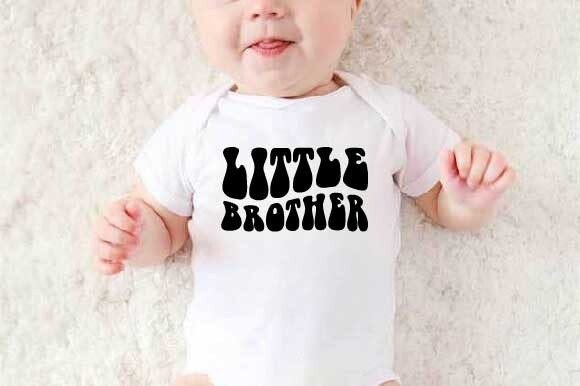
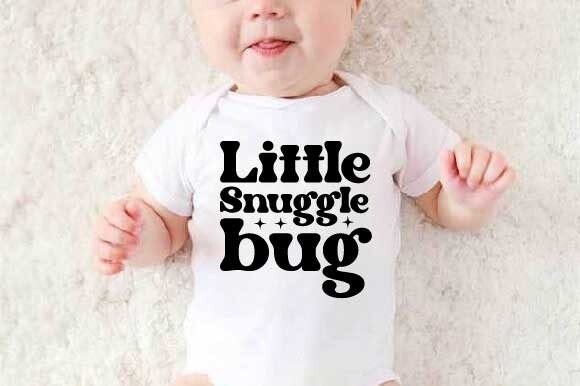
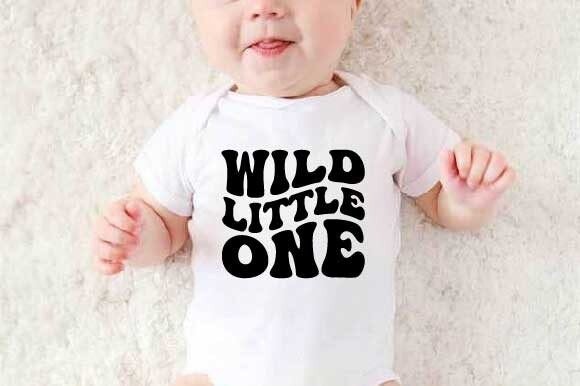
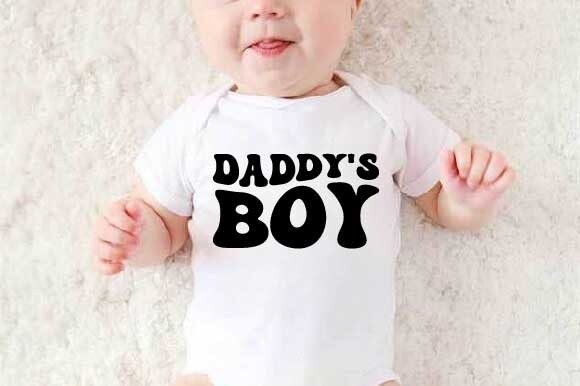
- Baby and Nursery Items: The "Daddy" theme makes this a top contender for baby showers and new parent gifts. Embroidered onesies, burp cloths, or nursery wall art featuring this design carry high emotional value. Customers pay a premium for items that feel personal and heartfelt.
- Kitchen and Home Decor: Tea towels, aprons, and pillow covers are often overlooked niches, but they offer high profit margins. A kitchen towel with this retro motif feels cozy and inviting, perfect for holiday gifting or housewarming presents.
For the Etsy seller or small shop product owner, these categories represent low-competition, high-demand areas. By offering this as a finished embroidered product rather than just the digital file, you differentiate yourself from mass-produced competitors.
Technical Considerations and Stitch Behavior
While the visual appeal is strong, any experienced embroiderer knows that execution is key. When preparing to stitch out Daddy s Little Helper Retro SVG, there are specific technical factors to consider to ensure a professional finish.
First, examine the stitch density. If the design relies heavily on fill stitches, ensure your fabric has enough body to support it. On thin fabrics or stretchy knits, dense stitching can cause distortion or visible puckering on the reverse side. Using the correct stabilizer is non-negotiable here; a tear-away stabilizer might not provide enough support for heavier fills, whereas a cut-away may be necessary for garments that will undergo frequent washing.
Next, consider the hoop size. While the exact dimensions should be verified in your software, designs with intricate lettering or small details require a larger hoop to prevent the fabric from stretching unevenly during the stitching process. If the design includes tiny decorative accents, test them on scrap fabric first. Sometimes, what looks like a solid line on screen becomes a series of disconnected jumps in thread, which can look messy if not trimmed properly.
Thread color contrast is another critical element. Retro designs often rely on specific color palettes to achieve their aesthetic. Ensure that your chosen thread colors provide enough contrast against your fabric. For example, light pastel threads on a white background may disappear, while dark threads on black fabric might get lost unless you use metallic or textured threads to catch the light.
Areas Caution Is Required
There are certain scenarios where this design might struggle. Avoid using it on highly textured fabrics like heavy wool bouclé or loose-weave burlap, as the needle may skip or the detail may become obscured. Similarly, curved surfaces like baseball caps can be challenging; while possible, they require significant skill to align the design perfectly without distortion. If you are targeting beginners or those with limited equipment, steer them toward flat projects like tote bags or pillows for the best results.
Impact on Brand and Customer Trust
From a business perspective, the quality of your embroidery directly influences customer trust. A sloppy stitch job can ruin a brand’s reputation, while a crisp, clean finish reinforces professionalism. Daddy s Little Helper Retro SVG, when executed correctly, signals attention to detail. It shows that you care about the longevity of the product. In the world of commercial embroidery, durability is a selling point. Customers want items that withstand washing and wear without losing their charm.
Furthermore, the retro theme taps into current trends without being fleeting. This means your products will remain relevant longer, reducing the pressure to constantly update your inventory. For design assets sellers, offering mockups that showcase this design on various products helps buyers visualize the final result, increasing conversion rates. A well-presented printable mockup can make the difference between a browse and a purchase.
Final Verdict for Makers and Sellers
Overall, Daddy s Little Helper Retro SVG is a strong addition to any designer’s library. It balances aesthetic appeal with practical usability, making it suitable for a wide array of handmade products. Whether you are creating personalized gifts for friends or building a robust catalog for your online store, this design offers versatility and charm.
Before committing to large production runs, always conduct a thorough test run. Check the applique design elements if applicable, verify the satin stitch quality around letters, and ensure the running stitch details are clean. Confirm your licensing terms if you plan to sell finished items, and remember that proper finishing techniques—like trimming loose threads and pressing the final product—are what elevate a good design into a great one.
If you are looking to add a touch of nostalgia and warmth to your craft business, this file delivers. It is a reliable, visually engaging choice that resonates with customers and stands up to the rigors of real-world use. For the discerning maker, it is a tool worth having in your arsenal.