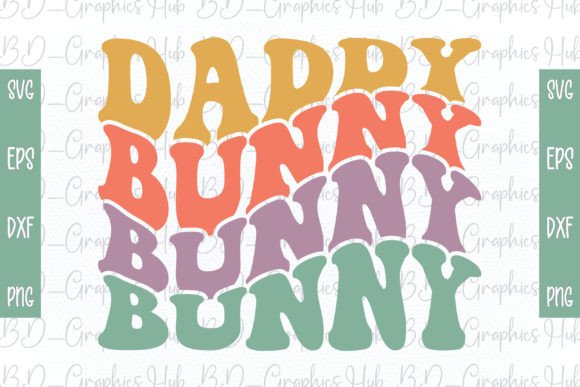
Daddy Bunny Retro SVG
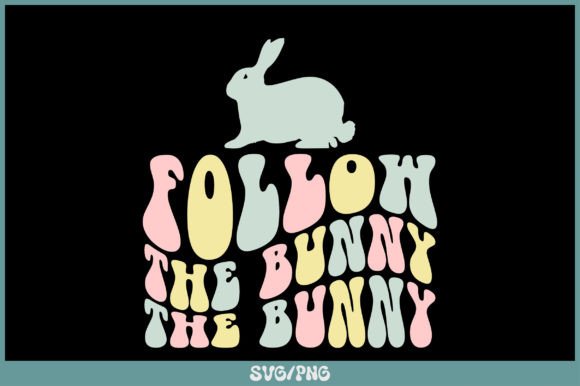
When I first pulled Daddy Bunny Retro SVG from my download folder, I didn’t just see a cute bunny; I saw a potential bestseller for the upcoming spring and Easter seasons. As an embroidery designer who has stitched thousands of files for clients and personal projects, I know that the difference between a "nice" design and a "sellable" product often comes down to visual balance, stitch density, and thematic appeal. This file falls squarely into the latter category, offering a nostalgic yet modern aesthetic that resonates well with current handmade trends.
The immediate impression is one of warmth and approachability. The retro styling gives it a distinct personality—it’s not just another generic clipart bunny. It feels curated. For designers looking to add a touch of vintage charm to their handmade product lines without going full-on kitsch, this design strikes a careful balance. It works beautifully for custom apparel, particularly on soft cotton tees or heavyweight sweatshirts where the graphic can breathe. However, my primary focus in this review is how it translates when digitized for machine embroidery, a process that requires more than just dropping a vector into software.
Visual Appeal and Thematic Fit
The visual strength of this design lies in its simplicity and bold outlines. In the world of embroidery project planning, complex gradients and tiny details are often the enemy of clarity. This design avoids those pitfalls. The clean lines suggest that it will hold up well whether rendered as an applique design or a dense fill stitch pattern. The retro color palette implied by the name suggests warm earth tones—mustard yellows, terracottas, and muted greens—which are incredibly popular in boutique branding right now.
For an Etsy seller or small shop owner, this theme hits a sweet spot. It appeals to new parents looking for unique nursery decor, but also to young adults who appreciate retro aesthetics. It bridges the gap between a baby embroidery item and a lifestyle accessory. When I imagine this on a tote bag design made of sturdy canvas, the contrast pops. On a white or cream fabric, using darker thread colors ensures the design remains legible and impactful, whereas light threads on dark fabric might get lost unless the stitch count is sufficiently high.
Real-World Application: From Screen to Stitch
Let’s talk about real-life usage. I recently considered using a similar style for a batch of personalized gifts for a client’s baby shower. The challenge with any digital file is ensuring it translates effectively to physical thread. With Daddy Bunny Retro SVG, the layout appears spacious enough to allow for proper stabilizer placement and hoop stability. This is crucial. If a design is too cramped, the fabric pucks, and the finished product looks amateurish.
I envision this design performing exceptionally well on sweatshirt embroidery projects. The slightly chunkier nature of sweatshirt fleece can handle the weight of a well-digitized bunny design without warping. It also lends itself perfectly to embroidered patch applications. By adding a simple satin border, you could create detachable patches for denim jackets or backpacks, expanding the utility of the original asset. This versatility is what separates a good digital embroidery file from a great one.
Furthermore, the design’s versatility extends to home goods. A large version of this motif on a kitchen towel or a pillow cover adds a cozy, inviting element to a home. It’s not just about clothing; it’s about creating a cohesive brand story. If you are building a craft business around retro-themed home goods, having a core character like this allows for consistent design assets across your entire catalog.
Where Caution Is Required
However, no design is perfect for every scenario. There are specific situations where Daddy Bunny Retro SVG might struggle if not handled with care. First, avoid placing this on highly textured fabrics like bouclé wool or thick chenille unless you have a very experienced operator. The texture can obscure the finer details of the stitching. Similarly, thin or stretchy knits require extra attention to hooping and stabilizer choice to prevent distortion.
Another area to watch is scale. While the design is likely versatile, attempting to shrink it down to fit a small hoop size on a cap brim or a delicate baby onesie sleeve requires scrutiny. Small details can disappear when the stitch count is reduced too far. I always recommend testing these miniaturizations in black and white mockups before committing to thread. Additionally, if the design includes tiny lettering or intricate facial features, ensure that the thread colors provide enough contrast. Low-contrast threads on low-contrast fabrics are a recipe for a muddy, unclear final image.
Practical Designer Notes for Success
To get the most out of this file, follow these practical steps before running a production batch:
- Test on Scrap Fabric: Always run a test stitch on the actual fabric you plan to use. This reveals issues with tension, puckering, or thread breakage that you won’t see on paper.
- Check Stitch Density: Review the underlying digitization (if available) or simulate the stitch path. Ensure there are no areas where the needle penetrates the same spot too many times, which can cause thread bunching.
- Confirm Hoop Size: Verify that the design fits comfortably within your standard hoops with a margin for error. A tight fit increases the risk of misalignment.
- Inspect Small Details: Zoom in on the digital file. Are the eyes clear? Is the mouth defined? If details are too fine, consider simplifying them via editing software before stitching.
- Stabilizer Selection: Use the appropriate stabilizer for your fabric type. Cut-away stabilizers are generally safer for stretchy materials like jerseys, while tear-away works well for stable wovens.
- Licensing Check: Before selling any commercial embroidery items, double-check the license terms included in the ZIP folder. Some files are for personal use only, while others allow limited commercial sales. Respecting these terms protects your reputation and legal standing.
Final Verdict on Value and Engagement
In terms of product value, Daddy Bunny Retro SVG offers excellent return on investment. It is a versatile asset that can be used across multiple categories, from holiday embroidery gifts to year-round nursery decor. Its strong visual identity helps build customer trust because it looks professional and intentional. Buyers can tell when a design has been thoughtfully placed and stitched, and this file supports that level of quality.
For the creative entrepreneur, this design is a workhorse. It doesn’t require excessive embellishment to look good, which saves time and thread costs. Whether you are creating a single personalized gift for a friend or a batch of 50 units for a craft fair, the design holds up. It enhances brand consistency by providing a recognizable, charming character that customers will remember.
Ultimately, Daddy Bunny Retro SVG is a solid addition to any embroiderer’s library. It captures a popular mood, offers practical usability across various mediums, and stands up to the scrutiny of real-world production. Just remember: the magic happens in the execution. Take your time with setup, choose your threads wisely, and let the design speak for itself. Your customers—and your bottom line—will thank you.