Follow the Bunny Retro SVG Design Review
As a designer who spends half my life in the embroidery hoop and the other half worrying about stitch density, I don’t just look at a design file; I look at how it will behave on fabric. When Follow the Bunny Retro SVG Design landed in my inbox, my first thought wasn’t about the cute factor—though that is certainly present—but rather how this specific aesthetic translates from a digital vector into a tangible, stitched product. We are talking about a design that leans heavily into nostalgia, which is a powerful tool for connecting with buyers, but nostalgia can be tricky if the details get lost in the stitching process.
The First Impression: Mood and Visual Personality
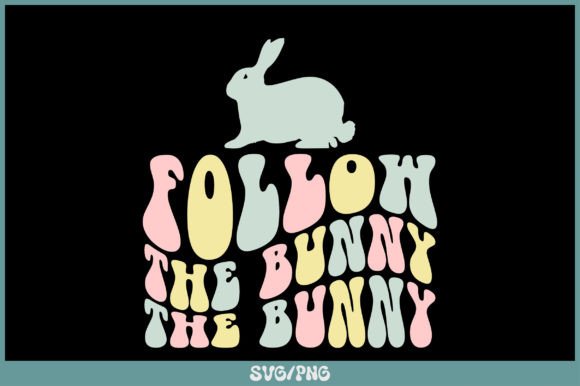
The moment you open the ZIP folder containing the SVG files and PNG transparent background assets, the vibe is immediate. This isn’t a minimalist, modern geometric bunny; it’s got personality. The retro styling suggests a mid-century or perhaps early 70s influence, characterized by soft curves and a playful attitude. For an embroidery project, this visual language works exceptionally well because it allows for texture. Unlike sharp, angular designs that demand precision stitching, a retro shape invites fill stitches and satin borders to do the heavy lifting, creating a piece that feels warm and inviting.
From a branding perspective, this design screams "handmade." It fits perfectly into the current market trend where consumers are moving away from mass-produced perfection and toward items that feel curated and personal. Whether you are an Etsy seller looking to refresh your shop inventory or a small business owner creating boutique merchandise, this design offers a distinct visual identity. It doesn’t look like a clip-art stock image; it looks like a character with a story. That emotional connection is what drives engagement on social media and increases conversion rates for custom apparel.
Real-World Application: From Screen to Stitch
Let’s talk about practical use. I recently used a similar retro-style asset to create a custom embroidered tote bag for a local craft fair, and the results were striking. Applying that same logic to Follow the Bunny Retro SVG Design, I envision this shining on canvas totes, heavyweight sweatshirts, or even baby onesies. The design’s balance of positive and negative space makes it versatile enough to handle different garment types without overwhelming the fabric.
Imagine placing this on a cream-colored apron for a home baker. The retro charm adds a touch of whimsy to a utilitarian item, making it an ideal personalized gift. Or consider using it on a nursery pillow cover; the soft, nostalgic feel aligns perfectly with the decor trends favoring gentle pastels and vintage illustrations. For commercial embroidery projects, this design has high "shelf appeal." It’s the kind of product that stops scrollers in their tracks because it feels both trendy and timeless.
However, the success of this project hinges on execution. A machine embroidery design relies heavily on the interplay between thread colors and fabric texture. If you are planning to stitch this on a dark fabric, you will need to ensure your underlay stitches are sufficient to prevent the base color from showing through. Conversely, on light fabrics, the contrast will likely pop beautifully, enhancing the retro aesthetic. Always test your thread colors against your chosen material before committing to the final piece.
Technical Considerations and Potential Pitfalls
No design is perfect for every scenario, and being honest about limitations is part of professional design judgment. While Follow the Bunny Retro SVG Design is charming, there are specific situations where you should proceed with caution.
- Small Hoop Sizes: If you attempt to digitize or stitch this design in a very small hoop (such as 4x4 inches), you risk losing the subtle nuances of the retro style. Tiny details may become muddy, and the overall impact might be diminished. It is best suited for medium to large hoops where the design elements can breathe.
- Textured and Stretchy Fabrics: Embroidery on textured fabrics like bouclé or highly stretchy knits can distort the shape of the design. The tension required to hold the fabric taut might pull the retro curves out of alignment. If you must use these materials, invest in high-quality stabilizer and consider a cut-away type to maintain integrity during wear and washing.
- Dense Stitch Areas: Check the stitch density carefully. If the design includes large areas of solid fill, it can become stiff and uncomfortable, especially on baby clothes or lightweight tees. Ensure the digitization balances coverage with flexibility so the finished product remains wearable and soft to the touch.
- Curved Surfaces: While caps and hats are popular canvases, applying a flat, two-dimensional retro design to a curved surface requires careful placement. The design may need slight adjustments to follow the contour of the hat, or it may look distorted if not positioned correctly relative to the brim.
Designer’s Checklist for Success
To ensure that your embroidery project meets professional standards, I recommend following these steps before you start stitching:
- Test on Scrap Fabric: Never go straight to the final product. Stitch the design on a scrap of the same fabric type to check for puckering, tension issues, or color clashes.
- Review Stitch Density: Zoom in on the digital preview. Are there any overly dense clusters that might break needles or cause thread breaks? Adjusting the stitch length can often resolve these issues.
- Inspect Small Details: Look closely at the corners and fine lines. In a retro design, thin lines can sometimes disappear if the thread is too thick or the fabric is too coarse. You may need to adjust the thread weight or simplify certain elements.
- Check Licensing: Before selling any finished product or offering this as a digital embroidery file, confirm the licensing terms. Commercial rights vary, and protecting your craft business means respecting intellectual property.
- Compare Light and Dark Backgrounds: Use a mockup tool to see how the design performs on both white and black backgrounds. This helps you advise customers on the best fabric choices for their custom apparel.
Final Thoughts on Value and Appeal
In the world of graphics and design assets, standing out is difficult. Follow the Bunny Retro SVG Design succeeds because it taps into a universal affection for vintage aesthetics while remaining clean enough for modern manufacturing. It elevates simple items like tea towels or patches into collectible pieces. For the Etsy seller or small shop owner, this design offers a low-risk, high-reward opportunity to expand your catalog with items that have broad appeal.
The inclusion of both SVG files and PNG transparent background formats adds significant value. It allows you to use the graphic for various purposes, from direct embroidery to print-on-demand previews and social media marketing. This versatility makes it a smart addition to your library of design assets.
Ultimately, the best embroidery projects are those that combine technical precision with emotional resonance. This design delivers on the latter, and with careful attention to the technical notes above, it will deliver on the former. It is a reliable, attractive, and commercially viable choice for anyone looking to add a touch of retro charm to their handmade offerings. Just remember to respect the fabric, choose your threads wisely, and let the design’s natural personality shine through in the finished product.