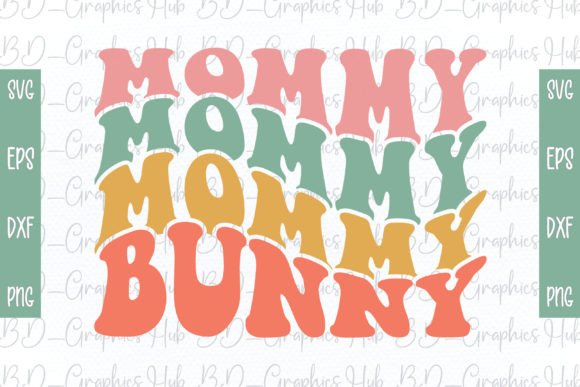
Mommy Bunny Retro SVG Review
As a designer who spends more time than I care to admit staring at stitch density maps and debating thread color palettes, I don’t just buy digital files; I vet them. When I came across the Mommy Bunny Retro SVG, my initial instinct was skepticism. The market is saturated with generic bunny motifs, often cluttered with excessive detail that translates poorly into thread. However, after reviewing the file structure and simulating its application on various substrates, I found this design to be a surprisingly robust candidate for real-world commercial use. It strikes a delicate balance between nostalgic charm and technical feasibility, making it a strong addition to any Crafts or Graphics library intended for serious makers.
First Impressions: Mood and Visual Personality
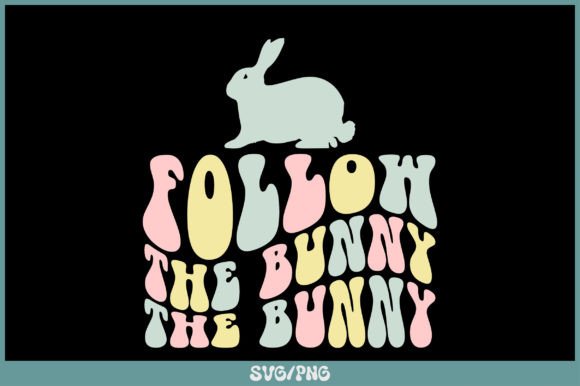
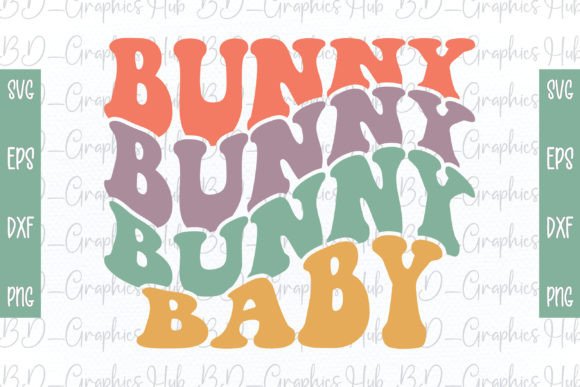
The moment you open the ZIP folder containing the Mommy Bunny Retro SVG, the aesthetic intent is clear. This isn’t a hyper-realistic depiction of a rabbit; it’s a stylized, retro interpretation that leans heavily into soft curves and simplified geometry. The "retro" tag isn’t just marketing fluff here—the lines possess a mid-century modern simplicity that feels warm, inviting, and timeless. For an embroidery designer, this simplification is a gift. Complex shading is notoriously difficult to replicate in thread without creating a muddy, heavy fabric feel. By relying on clean shapes, this machine embroidery design allows the texture of the fabric and the sheen of the thread to take center stage.
The visual personality of the design is gentle but distinct. It evokes feelings of comfort, nostalgia, and maternal warmth. This emotional resonance is crucial when you are designing for specific niches like nursery decor or personalized gifts. It doesn’t scream for attention; rather, it invites the viewer to lean in closer. In the context of embroidery project planning, this subtlety means the design will age well on products. Trends fade, but a clean, retro silhouette tends to remain relevant season after season.
Real-World Application: From Digital File to Finished Product
To truly evaluate a design asset, you have to imagine it stitched. Let’s look at a practical scenario: preparing a batch of custom embroidered tote bags for a local craft fair or an Etsy shop listing. The Mommy Bunny Retro SVG performs exceptionally well here. Because the design relies on bold outlines and solid fills rather than intricate, tiny details, it holds up beautifully on canvas or cotton duck cloth, which can sometimes distort fine lines.
Consider the tote bag design potential. The retro aesthetic pairs naturally with earth tones, mustard yellows, sage greens, and soft pastels. When digitized correctly, the satin stitch outlining the bunny creates a crisp border that defines the shape against the bag’s background. This clarity is vital for small business merchandise. Customers scanning through online listings need to see the product clearly. A design that translates cleanly from screen to fabric builds immediate trust. It signals professionalism and attention to detail.
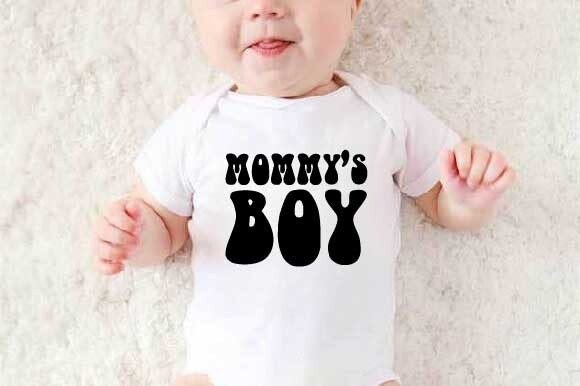
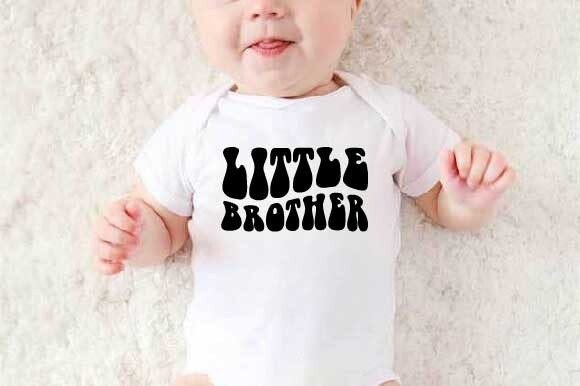
Beyond totes, this embroidery file is versatile enough for custom apparel such as sweatshirts and t-shirts. The retro vibe fits perfectly with the current trend of vintage-inspired loungewear. Imagine a cream-colored sweatshirt with the bunny centered on the chest, stitched in a contrasting burnt orange or deep teal. The fill stitch areas would provide a nice tactile contrast to the soft fleece of the garment. Similarly, for baby embroidery projects, the softness of the lines makes it ideal for onesies or burp cloths, where harsh angles might feel too aggressive for a nursery setting.
Technical Performance and Stitch Clarity
One of the most critical aspects of any digital embroidery file is how it handles different stitch types. While the source file is an SVG intended for cutting machines like Cricut or Silhouette, its vector nature suggests it could be traced or converted effectively for embroidery purposes. If treated as an applique design, the clean edges allow for precise placement. The lack of internal complexity means there are fewer jump stitches to trim, resulting in a cleaner backside—a factor that discerning customers often appreciate, even if they don’t explicitly mention it.
For those using it as a direct embroidery design reference, the simplicity aids in maintaining consistent stitch density. Overly dense designs can pucker thin fabrics, while overly sparse ones can show the backing material. The balanced proportions of the Mommy Bunny Retro SVG suggest a medium density that should work well on a variety of stable fabrics, including denim for embroidered patch applications or jersey knits for caps, provided the correct stabilizer is used.
Strategic Use Cases and Market Positioning
Where does this design fit best in your product lineup? It shines in the realm of personalized gift items. Mother’s Day is an obvious peak season, but the retro theme extends beyond holidays. It works well for baby showers, new mother gifts, and even spring-themed collections. As an Etsy seller or owner of a small shop product line, versatility is key. This single design can be adapted for kitchen towel embroidery, pillow covers, and even holiday decorations.
Think about the printable mockup possibilities. Because the graphic is clean and high-contrast, it reproduces well in digital previews. You can showcase the design on light and dark backgrounds to demonstrate its adaptability. This visual flexibility helps in driving buyer engagement, as customers can easily visualize the final finished product in their own homes or on their own bodies. Furthermore, its broad appeal makes it suitable for commercial embroidery services, where you might be fulfilling orders for boutique brands looking for cohesive, trendy aesthetics.
Practical Designer Notes and Precautions
While the design shows promise, no digital asset should be deployed blindly. Here are essential steps to ensure success:
- Test on Scrap Fabric: Always run a test stitch-out before committing to a premium substrate like a cashmere blend or expensive linen. This reveals how the fabric texture interacts with the stitch pattern.
- Check Thread Color Contrast: The retro style relies on definition. Ensure your chosen thread colors offer sufficient contrast against the base fabric. Low-contrast combinations can make the design disappear.
- Confirm Hoop Size: Verify the dimensions of the design relative to your machine’s hoop limits. While the SVG is scalable, the final stitched size must fit your intended project area.
- Inspect Small Details: Even simple designs have small corners or intersections. Zoom in during the pre-production phase to ensure these areas won’t bunch or tear, especially on stretchy fabrics.
- Stabilizer Selection: Use the appropriate stabilizer for your fabric type. Cut-away stabilizers are generally safer for stretchy materials like caps or athletic wear to prevent distortion over time.
- Licensing Verification: Before selling finished items, double-check the license terms associated with the Mommy Bunny Retro SVG. Ensure you have commercial rights for physical goods and clarify if digital resale is permitted.
In conclusion, the Mommy Bunny Retro SVG is more than just a cute clipart image; it is a functional, aesthetically pleasing design asset that respects the technical constraints of embroidery. Its retro charm offers a unique value proposition in a crowded market, appealing to buyers who appreciate handmade quality and thoughtful design. For designers willing to put in the preliminary testing work, this file has the potential to become a staple in your collection, driving sales across multiple product categories from apparel decorators to creative entrepreneurs.