Xoxo Retro SVG Review
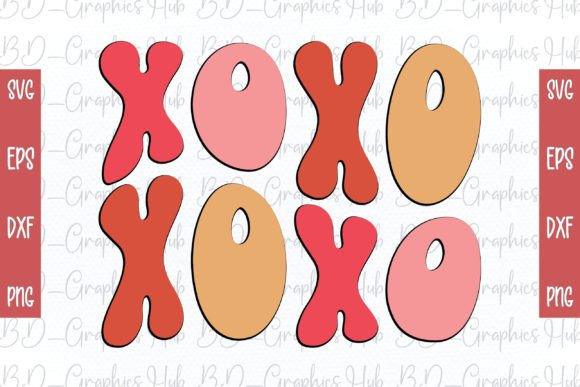
As a designer who spends half my life in the embroidery hoop and the other half staring at vector files on a monitor, I have learned to be skeptical of anything that promises instant perfection. When I first pulled up Xoxo Retro SVG, I didn’t just see a file; I saw a potential finished product waiting to happen. This is an instant download cutting file compatible with many different cutting software machines like Cricut and Silhouette. You will receive a ZIP folder, which includes – 1 SVG file. But for those of us working in machine embroidery, the question isn’t just about cutting vinyl or cardstock. It is about how this design translates into thread, texture, and tangible value.
I recently evaluated this graphic with a specific scenario in mind: creating a boutique-style custom embroidered tote bag for a local craft fair. The goal was to create something that felt nostalgic yet modern, appealing to the craft business crowd without looking like a mass-produced import. Here is my practical assessment of how Xoxo Retro SVG holds up under the needle.
First Impressions and Visual Personality
The mood of Xoxo Retro SVG is immediately distinct. It leans heavily into vintage aesthetics, likely utilizing bold curves or classic typography associated with mid-century design. For an embroidery project, visual personality is everything. If a design looks flat on screen, it will look flat on fabric. In this case, the layout feels balanced. It has enough negative space to breathe but enough detail to hold attention.
From a design asset perspective, the vector nature of the source file is crucial. Because you are starting with a clean vector path, you can scale the embroidery file to fit various hoop size constraints without losing resolution. However, remember that a clean SVG does not automatically equal a good digitized design. The transition from graphic to stitch requires careful consideration of how the eye reads the shapes when they are rendered in thread rather than ink.
Real-World Application: The Tote Bag Test
Let’s talk about the tote bag design scenario. Canvas is a forgiving fabric, but it also highlights every imperfection in stitching. When I mentally mapped out placing Xoxo Retro SVG on a heavy-duty cotton canvas bag, I considered the placement carefully. A centered chest placement works well for custom apparel vibes, but for a tote, a large central motif or a clustered arrangement often performs better.
This design fits naturally into the category of personalized gift items. The "xoxo" element suggests affection, making it perfect for Valentine’s Day, Mother’s Day, or bridal showers. It bridges the gap between a generic slogan and a heartfelt message. For an Etsy seller or small shop product owner, this versatility is gold. It allows you to market the same base design across multiple holidays by simply changing the thread colors.
Imagine offering this as part of a set: a matching sweatshirt embroidery and a tea towel. The retro theme ties them together, creating a cohesive brand identity. Customers trust shops that offer coordinated collections. The visual appeal of Xoxo Retro SVG supports this by being recognizable yet adaptable.
Where Caution Is Required
Not every surface is created equal, and Xoxo Retro SVG has limitations depending on where you apply it. I would advise extreme caution when attempting this design on curved surfaces like caps or hats. Unless the design is specifically digitized with multi-stitch paths to accommodate curvature, flat vector graphics can distort awkwardly on a crown.
Similarly, avoid using this on thin or stretchy fabrics unless you are confident in your stabilizer choices. The tension required to pull the threads tight might pucker delicate materials. Textured fabrics, such as bouclé or heavy chenille, can obscure the details of the design. If the underlying texture competes with the stitch density, the final result may look muddy rather than crisp.
Another critical area is small details. If the original SVG contains tiny lettering or intricate decorative accents, you must inspect these closely. On a finished product, tiny elements often disappear or become illegible after washing. If the design relies on fine lines, consider simplifying the digitization to ensure longevity. Frequent washing can cause fraying in dense areas, so choosing robust thread colors and appropriate stitch types is vital.
Technical Execution and Stitch Quality
When converting this graphic into a machine-ready format, the choice of stitch types will define the character of the piece. An applique design approach could work beautifully here, using a contrasting background fabric to make the retro shape pop. Alternatively, a combination of satin stitch for outlines and fill stitch for solid areas creates a classic, durable look.
I recommend testing the stitch density carefully. Too much density in a small area can make the fabric stiff and uncomfortable, especially on baby embroidery projects like onesies or burp cloths. Conversely, too little density can leave the fabric visible through the threads, reducing the professional feel. A balanced approach ensures the handmade product feels high-quality to the touch.
Thread color contrast is another non-negotiable factor. The retro aesthetic often relies on specific palettes—mustard yellows, dusty pinks, or navy blues. Ensure that your chosen thread contrasts sufficiently against your fabric. A quick trick is to view your mockup in black and white; if the shapes lose definition, the color contrast is likely insufficient.
Practical Designer Notes
- Test on Scrap Fabric: Never commit to a final garment without running a test stitch on a scrap piece of the exact same material. This reveals puckering, tension issues, and color interactions.
- Check Stabilizer Compatibility: Use a proper stabilizer that matches the weight of your fabric. Cut-away stabilizers are generally safer for long-term durability, especially for items like kitchen towels or bags that undergo frequent laundering.
- Inspect Small Details: Zoom in on the digital file. Are there any overlapping paths that might cause confusion during digitizing? Clean vectors save time and reduce errors.
- Confirm Licensing: Before listing this as a commercial item, verify the license terms. Does the purchase allow for commercial embroidery? Can you sell the finished goods? Always check these details to protect your craft business.
Conclusion: A Solid Choice for Versatile Projects
Overall, Xoxo Retro SVG is a strong contender for designers looking to add a touch of nostalgia to their design assets. It is not overly complex, which makes it accessible for beginners, yet stylish enough to satisfy seasoned professionals. Its primary strength lies in its adaptability across various graphics applications, from apparel decorators to digital product sellers.
If you are an Etsy seller or creative entrepreneur aiming to produce high-margin, low-complexity items, this design offers a great balance. It works beautifully for holiday embroidery collections, wedding gifts, and everyday personalized products. Just remember to respect the technical limitations of embroidery. By paying attention to fabric texture, stitch density, and proper stabilization, you can transform this simple vector into a stunning embroidery project that customers will love.
For those in the small business merchandise space, consistency is key. Using a reliable, well-proportioned design like this helps build brand recognition. When buyers see your signature style repeatedly, they are more likely to return. Xoxo Retro SVG provides that foundation, allowing you to focus on marketing and customer experience while the design does the heavy lifting visually.
In summary, this is a practical, aesthetically pleasing addition to any designer’s library. It respects the medium of embroidery while offering broad commercial potential. Just do your due diligence on the technical setup, and you will have a winning product.