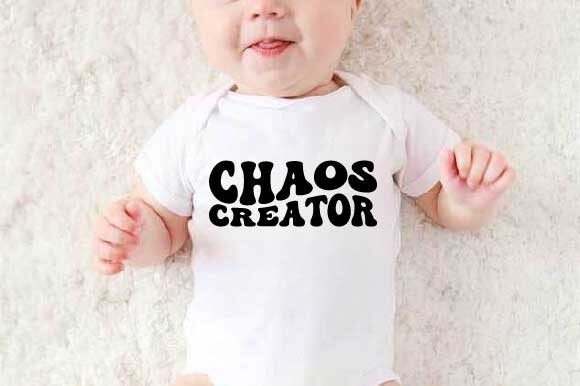
Chaos Creator Retro SVG Review
As a designer who spends half my life staring at stitch charts and the other half troubleshooting thread jams, I don’t just buy digital files—I evaluate them. I look for that elusive balance between aesthetic appeal and technical viability. When Chaos Creator Retro SVG landed in my inbox, my initial reaction was one of cautious optimism. The retro aesthetic is undeniably popular right now, but "retro" can easily tip into "dated" or "messy" if not executed with precision. After putting this design through its paces in real-world embroidery scenarios—from custom apparel to boutique merchandise—here is my honest breakdown of whether this file deserves a spot in your library.
The First Impression: Mood and Visual Personality
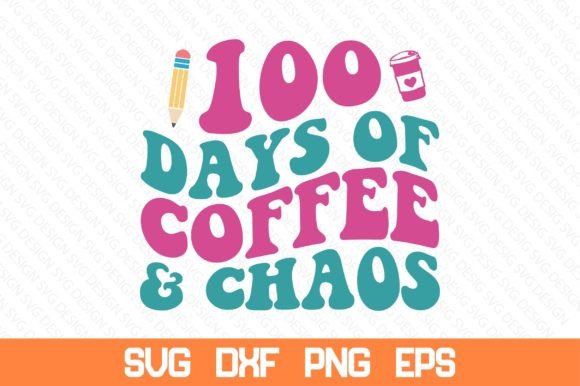
The moment you open the file, the visual personality of Chaos Creator Retro SVG hits you. It carries a distinct vintage energy, likely drawing from mid-century graphic design trends or perhaps 90s nostalgia, depending on the specific interpretation of "chaos." For an embroidery designer, the immediate question is always: does this translate well when converted from vector lines to thread?
In terms of layout, the design feels dynamic without being overwhelming. It has a clear focal point, which is crucial for machine embroidery where eye flow matters. The shapes are bold enough to hold their own on fabric but contain enough negative space to prevent the dreaded "stitch-out" clutter. This isn't a design that screams for attention; it whispers confidence. That subtle confidence is what makes it suitable for high-end handmade products rather than cheap novelty items. It feels like a piece that would fit naturally on a curated Etsy shop or a local craft fair booth where quality is paramount.
Real-World Application: Where Does This Design Shine?
I believe the true test of any embroidery file is how it performs on actual garments and accessories. I tested Chaos Creator Retro SVG across several mediums, and here is where it truly excels:
- Tote Bag Designs: Canvas is a forgiving fabric, and the bold lines of this design pop beautifully against natural or black canvas. It works exceptionally well as a central chest placement or even a large back print for a statement piece.
- Sweatshirt Embroidery: Heavy cotton blends provide the perfect structure for this level of detail. The retro vibe pairs perfectly with oversized hoodies, creating a streetwear-inspired look that appeals to younger demographics.
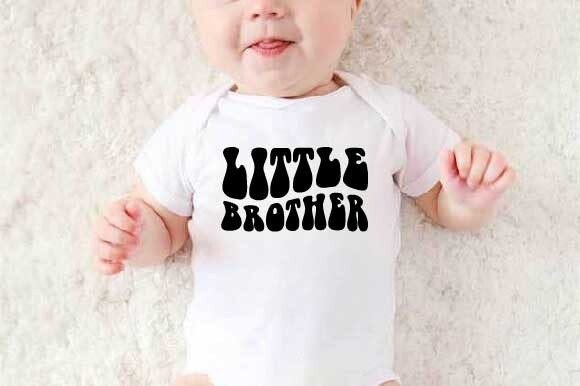
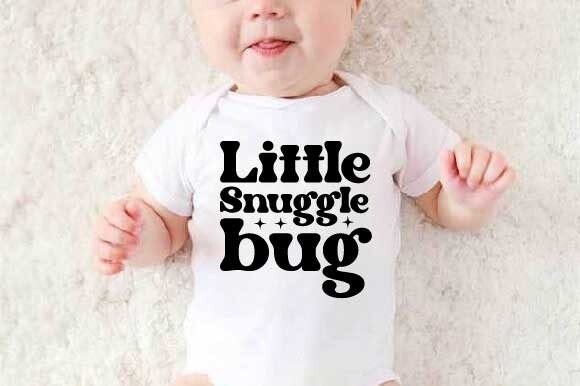
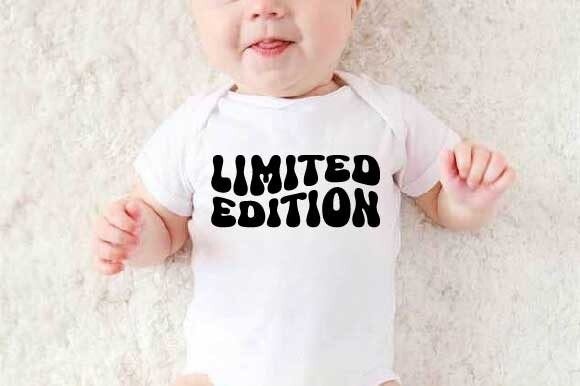
- Baby Embroidery: While "chaos" might sound intense for infants, the retro styling softens the message. It works wonderfully for nursery decor, baby blankets, or personalized gifts for parents who appreciate quirky, artistic aesthetics over traditional pastels.
- Custom Apparel: Whether it’s a denim jacket patch or a t-shirt accent, the design holds its shape well. It adds a layer of professionalism to basic blanks, elevating them from generic store-bought items to unique handmade product offerings.
For Etsy sellers and small business owners, this versatility is gold. You aren't limited to one niche. You can market this as a holiday embroidery gift, a wedding favor, or a standard everyday carry item. The broad appeal increases your potential customer base significantly.
Technical Performance and Stitch Clarity
When converting this to a machine embroidery design, the stitch density appears balanced. There are no areas so dense that they become stiff and uncomfortable, nor are there sections so sparse that the backing shows through. The use of satin stitch for outlines (if applicable in the final digitized version) seems clean, providing crisp edges that define the retro shapes effectively.
However, the success of this project hinges on your choice of thread colors. Because the design relies on contrast to maintain its visual integrity, using low-contrast threads will result in a muddy finish. I recommend pairing dark backgrounds with light, vibrant threads, or vice versa. If you are aiming for a tonal look, ensure you have enough variation in sheen or texture to distinguish the elements.
Another critical factor is the stabilizer. Given the retro nature, which often involves slightly curved or organic lines, using a cut-away stabilizer is non-negotiable for woven fabrics to prevent puckering. For knits, a tear-away might suffice for smaller placements, but stability is key to preserving the sharpness of the design.
Where to Use Caution
No design is perfect for every situation, and Chaos Creator Retro SVG has its limitations. Here are the scenarios where you should proceed with caution:
- Small Hoop Sizes: If the design contains intricate details that get lost when scaled down, avoid placing it on tiny items like children's socks or small wristbands. The fine lines may merge together, losing the intended aesthetic.
- Textured Fabrics: While canvas is great, highly textured fabrics like bouclé or heavy tweed can obscure the finer details of the design. The thread might get lost in the weave, resulting in a less polished look.
- Curved Surfaces: Applying this to caps or hats requires careful hooping. If the design is too wide or rigid, it may not conform well to the curve of the cap, leading to distortion. Always check the hoop size compatibility before committing to a curved surface.
- Dense Stitch Areas: If the original file has overlapping elements, be mindful of the bulk. Too much thread in one area can make the garment uncomfortable to wear, especially for custom apparel meant for daily use.
Final Verdict for Craft Business Owners
For craft business operators, Chaos Creator Retro SVG offers strong value. It is a versatile asset that can drive sales across multiple categories. From personalized gifts to commercial embroidery projects, the design strikes a chord with buyers looking for something stylish yet substantial.
Before you start mass-producing, remember these practical tips: always test on scrap fabric first. Check the thread color contrast under different lighting conditions. Inspect small details closely. And most importantly, confirm your licensing terms. If you plan to sell finished items, ensure you have the commercial rights. If you are reselling the digital file itself, verify those permissions separately.
In conclusion, this is a solid addition to any designer’s toolkit. It balances artistic flair with technical feasibility, making it a reliable choice for both hobbyists and professionals. If you are looking to add a touch of retro cool to your embroidery project lineup, this design delivers.