Limited Edition Retro SVG Review
As a designer who spends half my day digitizing and the other half stitching, I don’t just look at a file; I look at the final product. When I received Limited Edition Retro SVG, my first instinct wasn’t to open it in my cutting software, but to imagine how it would sit on a garment or a tote bag. In the world of crafts and graphics, "retro" is a saturated term, so the bar for visual personality is high. This design caught my eye not because it was loud, but because it felt balanced—a rare quality in digital assets that often lose their soul when translated into physical form.
The initial mood of the Limited Edition Retro SVG is nostalgic without being dated. It carries a warmth that suggests vintage typography or mid-century illustration styles, which are currently dominating the handmade market. For an embroidery project, this aesthetic is gold. It translates beautifully to thread because the implied shapes and lines have enough negative space to breathe, preventing that common issue where designs become muddy blobs of color after stitching. If you are an Etsy seller or run a craft business, you know that clarity is king. This design respects the viewer’s eye, making it an excellent candidate for custom apparel where legibility matters as much as style.
Real-World Application: The Tote Bag Scenario
Let’s talk about a real use case. Imagine you are preparing a batch of canvas tote bags for a local craft fair or a boutique client. You need something that looks professional, appeals to a broad demographic, and doesn’t require hours of complex setup. I decided to test Limited Edition Retro SVG on a natural-colored cotton canvas tote. The retro vibe paired naturally with the texture of the fabric, creating a cohesive handmade product feel.
The layout of the design works exceptionally well for tote bag design applications. It isn’t overly sprawling, meaning it fits comfortably within standard hoop sizes without requiring tedious re-hooping. When stitched, the visual weight remained consistent. For a small shop owner, this efficiency is crucial. You aren’t fighting your machine to make the design fit; the design works with the constraints of your equipment. The result was a clean, striking finished product that looked like it belonged on a shelf in a high-end gift shop rather than a clearance bin.
This same principle applies to sweatshirt embroidery. A retro graphic on a heavyweight fleece or cotton blend offers a tactile contrast that customers love. The design’s simplicity allows the texture of the fabric to shine through the stitches, adding depth to the embroidery file. Whether you are targeting women, kids, or babies, the neutral yet stylish nature of the retro theme ensures it doesn’t scream a specific niche but rather invites everyone in.
Performance on Different Fabrics and Projects
One of the most critical aspects of reviewing any machine embroidery design is how it handles different materials. Limited Edition Retro SVG performed admirably on stable fabrics like denim, linen, and heavy cotton. However, every designer knows that challenges arise with stretchy or textured materials. On a thin jersey knit, for example, the design might pucker if the stabilizer isn’t chosen carefully. This is where your technical skill comes in—you must pair this digital embroidery file with the right support system.
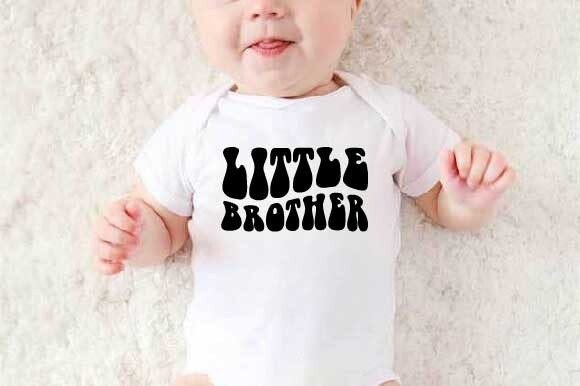
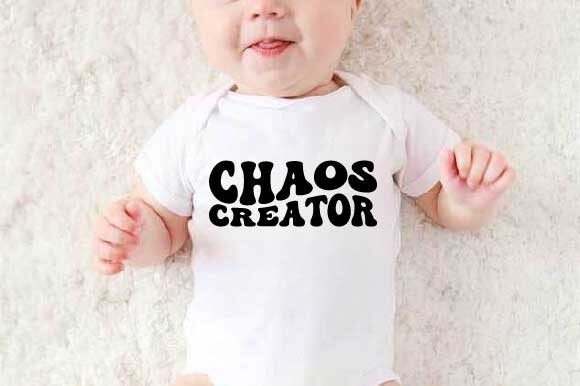
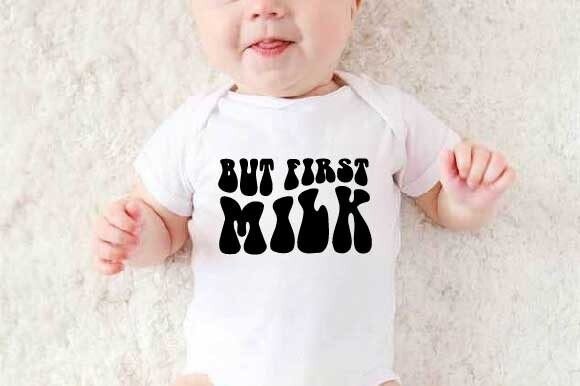
I also considered its potential for personalized gifts. The design has a versatile appeal that makes it perfect for baby items, nursery decor, or holiday gifts. The retro aesthetic feels timeless, which adds to the perceived value of the item. When a customer buys a personalized onesie or a custom apron featuring this design, they aren’t just buying a shirt; they are buying a piece of art that feels curated. This perception of quality is vital for commercial embroidery professionals looking to build brand trust.
For embroidered patch applications, the design holds up well. Patches require clean edges and distinct shapes to be sewn onto jackets or hats effectively. The Limited Edition Retro SVG provides clear boundaries, reducing the risk of thread breaks or misalignment during the satin stitch outlining phase. This makes it a reliable asset for creating apparel decorators inventory that needs to withstand frequent wear and washing.
Where Caution Is Required
No design is perfect for every situation, and honest review requires pointing out limitations. There are scenarios where Limited Edition Retro SVG might struggle. If you attempt to stitch this on a highly textured fabric like terry cloth or bouclé, the details may get lost. The irregular surface can interfere with the needle penetration, leading to uneven stitch density or skipped stitches.
Similarly, on dark fabrics, you must pay close attention to thread colors. While the design itself is strong, low-contrast thread choices can make it disappear. Always run a black-and-white mockup before committing to a color palette. Additionally, if you are working with curved surfaces like baseball caps, ensure the design is scaled appropriately. Trying to force a large, detailed retro graphic onto a small cap curve can distort the proportions, making the final finished product look stretched or cramped.
Another area to watch is small lettering or intricate corners. If the design includes fine text, verify that the font size is large enough to be read after stitching. Tiny details often collapse under the pressure of dense fill stitches. If you notice any areas that seem too delicate, consider simplifying them digitally before importing the file into your embroidery software.
Technical Notes for the Designer
Before you start stitching, there are several practical steps every creative entrepreneur should take. First, always test the design on scrap fabric that matches the weight and type of your final material. This helps you gauge the required stabilizer strength and adjust tension settings if necessary. Second, inspect the design in your software to check for unnecessary jumps or trims that could extend production time.
It is also essential to confirm the licensing terms. Since this is described as an instant download compatible with cutting machines, verify whether it is cleared for commercial use. As an Etsy seller or small shop product creator, selling finished items made from this design requires explicit permission. Do not assume that owning the file grants you the right to sell the output. Clear licensing protects your business and builds long-term credibility with your customers.
Finally, think about the presentation. How will you showcase this design asset? Creating a printable mockup that displays the Limited Edition Retro SVG on various products—like a mug, a pillow cover, or a kitchen towel—can help you visualize its versatility. This approach not only aids in your own planning but also serves as powerful marketing content for your craft business.
Final Verdict
Limited Edition Retro SVG is a solid addition to any designer’s library. It strikes a balance between aesthetic appeal and technical feasibility, making it suitable for a wide range of embroidery projects. From custom apparel to holiday embroidery, this design offers flexibility and charm. By approaching it with careful preparation—choosing the right fabric, stabilizer, and thread—you can create handmade products that resonate with customers and stand out in a crowded market. It is a tool that, when used wisely, elevates the professionalism of your work and enhances the value of your offerings.