Review: It s Okay to Not Be Okay Retro Svg
In the world of handmade goods and small business merchandising, the line between a trendy graphic and a timeless design asset is often defined by execution. As a designer who spends hours evaluating digital files before they ever hit the hoop, I look for more than just visual appeal; I look for viability. Can this design survive the tension of embroidery? Will it hold up after twenty washes? Does it convey the right emotional weight without feeling cluttered?
This is where It s Okay to Not Be Okay Retro Svg enters the conversation. The title alone suggests a narrative—one that resonates deeply with modern audiences seeking comfort, validation, and mental health awareness. But does the file deliver on that promise when translated from a screen to thread? Below, I break down my practical evaluation of this design, focusing on its real-world application for crafters, Etsy sellers, and apparel decorators.
First Impressions and Visual Personality
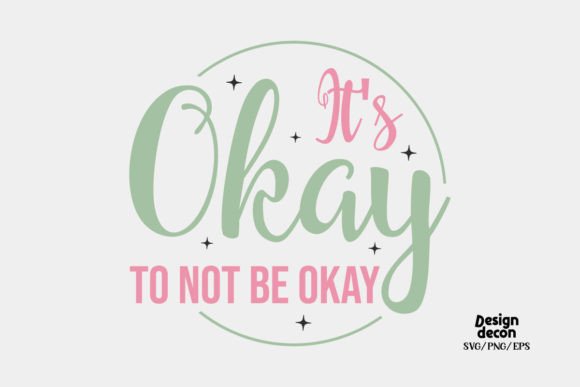
The immediate takeaway from It s Okay to Not Be Okay Retro Svg is its nostalgic yet grounded aesthetic. The retro styling provides a softness that prevents the message from feeling too heavy or clinical. In embroidery, typography can easily become rigid or difficult to read if the letterforms are too thin or overly stylized. However, this design appears to strike a balance suitable for various stitching techniques.
Visually, the layout feels centered and stable, which is crucial for products like tote bags, sweatshirts, and pillow covers. The mood it creates is one of quiet solidarity. For a boutique owner or an Etsy seller, this translates to high emotional engagement. Customers aren’t just buying a piece of fabric; they are buying a statement that says, “I see you.” This kind of connection drives sales in personalized gifts and custom apparel because it feels authentic rather than mass-produced.
The inclusion of both SVG and EPS formats means we have flexibility in how we approach the digitizing process. Whether you are using this as a base for a cut-file project or converting it into a machine embroidery design, the vector lines provide a clean foundation. The transparent PNGs at 300 dpi offer excellent clarity for previewing how the black graphic will sit against different fabric textures before you commit to the stitch-out.
Real-World Application: From Screen to Stitch
Let’s imagine a specific scenario. You are preparing a batch of custom embroidered tote bags for a local craft fair or a holiday pop-up shop. You want something that speaks to the overwhelmed student, the new parent, or anyone navigating a tough season. It s Okay to Not Be Okay Retro Svg fits perfectly here.
When applied to a canvas tote bag, the retro font style contrasts beautifully with the rough texture of the fabric. The design doesn’t need to be overly complex to make an impact. A simple satin stitch outline combined with fill stitches for the heavier letters can create a tactile experience that invites touch. For a sweatshirt embroidery project, placing this design over the heart area or across the chest offers a subtle yet powerful branding opportunity for small shops.
Beyond bags and apparel, this design has strong potential for home decor. Picture it embroidered on a neutral linen tea towel or a soft cotton pillow cover. The vintage vibe complements farmhouse and minimalist interiors alike. For baby items, such as muslin blankets or onesies, the gentle retro tone avoids being too aggressive, making it a thoughtful choice for nursery decor or gender-neutral baby showers.
For commercial embroidery projects, versatility is key. This design works equally well as an embroidered patch for denim jackets or backpacks. The sturdy nature of patches allows the details of the retro font to shine through dense stitching, ensuring legibility even from a distance. When creating printable mockups for your online store, the clean black color of the source file allows you to easily swap out background colors to demonstrate how the design looks on light versus dark garments, helping potential buyers visualize the final product.
Technical Considerations and Potential Pitfalls
While the concept is strong, no design is without its challenges. As an experienced reviewer, I must highlight where It s Okay to Not Be Okay Retro Svg requires careful handling. Embroidery is a physical medium, and every inch of thread adds weight and tension.
- Hoop Size Constraints: If you plan to use a very small hoop size, you may encounter issues with tiny lettering or fine decorative accents. Ensure the digitized version maintains enough spacing between letters to prevent thread breaks. Always check the bounding box of the design against your machine’s minimum hoop requirements.
- Fabric Texture and Stability: This design relies on clear lines. On highly textured fabrics like chunky knits or bouclé, the definition might get lost. Similarly, on stretchy fabrics like jersey or spandex blends, you must use a proper stabilizer to prevent puckering. Without adequate support, the retro curves could distort, ruining the intended aesthetic.
- Dense Stitch Areas: If the design includes large blocks of fill stitch, consider the stitch density. Too much density on lightweight fabrics can cause the material to stiffen uncomfortably. Test the design on scrap fabric first to evaluate the hand-feel of the finished product.
- Thread Color Contrast: While the source file is black, your thread choices will dictate visibility. On dark fabrics, you’ll need a high-contrast underlay or top thread to ensure the text pops. Conversely, on white or pastel backgrounds, a darker thread will anchor the design effectively.
Strategic Advice for Sellers and Makers
For those selling handmade products or digital assets, presentation is everything. Before listing It s Okay to Not Be Okay Retro Svg as part of your catalog, take these practical steps:
- Test on Multiple Fabrics: Don’t just test on cotton. Try wool felt, denim, and fleece to see how the design adapts to different weights and nap directions.
- Review Stitch Density: If you are digitizing this yourself, pay close attention to the running stitch and satin stitch edges. They should be tight enough to cover the fabric but loose enough to allow for natural movement.
- Check Licensing: Confirm whether the license terms allow for commercial use of finished products. Many designers sell digital files with restrictions on how many physical items can be sold. Clear licensing protects your small business from legal issues.
- Compare Light and Dark Backgrounds: Create mockups showing the design on both light and dark garments. This helps customers understand the versatility of the item and reduces return rates due to mismatched expectations.
- Inspect Small Details: Zoom in on the corners of the letters and any decorative elements. Ensure there are no overlapping paths that could cause needle strikes or thread tangles during production.
Final Verdict
It s Okay to Not Be Okay Retro Svg is more than just a pretty graphic; it is a functional tool for creators who want to connect with their audience on a deeper level. Its retro charm makes it timeless, while its message ensures relevance. Whether you are designing for a personal gift, a boutique brand, or a large-scale commercial run, this design offers a solid foundation for success.
By approaching it with technical care—respecting hoop sizes, choosing appropriate stabilizers, and testing thread contrasts—you can transform this digital file into a tangible product that brings value to your customers. For crafters and entrepreneurs looking to add meaningful, high-quality items to their inventory, this is a design worth considering. Just remember: the best embroidery happens when creative vision meets technical precision.