Bunny Baby Retro SVG Review
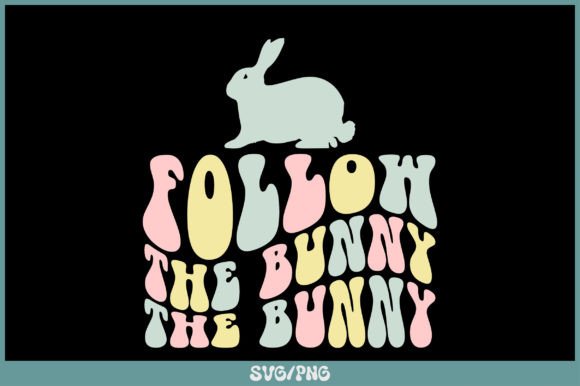
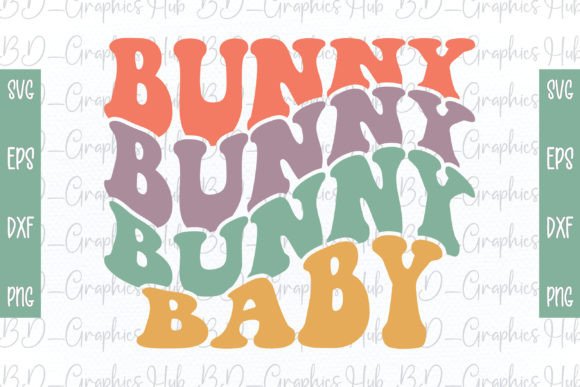
When I first opened the Bunny Baby Retro SVG file to test it for a potential client project, my initial reaction was one of cautious optimism. As an embroidery designer who spends hours staring at stitch paths and evaluating how digital vectors translate into thread, I am naturally skeptical of designs that promise "retro" charm without delivering structural integrity. The market is flooded with generic clip art disguised as embroidery files, but this particular design caught my eye because of its specific aesthetic direction. It isn’t just a cute bunny; it’s a stylized interpretation that leans heavily into mid-century modern influences, which requires careful handling during the digitizing or cutting process to ensure it doesn’t look cluttered when rendered in thread.
The core appeal of this embroidery project lies in its simplicity and boldness. In my experience, the most successful machine embroidery design assets are those that communicate their message instantly. This Bunny Baby Retro SVG does exactly that. The lines are clean, the shapes are distinct, and the overall composition feels balanced. For a crafter or an Etsy seller, this visual clarity is crucial because it translates well across various mediums. Whether you are using this as a digital embroidery file for a home machine or preparing it as a cutting file for vinyl application on apparel, the graphic holds up under scrutiny. It avoids the trap of being too busy, which is a common pitfall in low-quality design assets.
Real-World Application: From Screen to Stitch
To truly evaluate the utility of this file, I put it through a series of hypothetical scenarios that mirror real-world production challenges. Imagine you are preparing a batch of custom sweatshirt embroidery for a boutique baby shower gift. The goal is to create something that feels nostalgic yet modern. Placing the Bunny Baby Retro SVG on the chest area of a heather grey crewneck offers a striking contrast. The retro vibe pairs beautifully with vintage-wash fabrics, creating a handmade product that feels curated rather than mass-produced.
However, the versatility of this embroidery file extends beyond apparel. I also considered its application on tote bag design projects. A canvas tote featuring this bunny design immediately signals a playful, family-friendly brand identity. It works exceptionally well for personalized gifts where the recipient might be a new parent or a child. The design’s clean geometry means it can be easily integrated into larger compositions, perhaps surrounded by simple geometric shapes or minimal text, allowing for creative expansion while keeping the focal point clear.
Another strong use case involves embroidered patch creation. If you are producing patches for hats or backpacks, the Bunny Baby Retro SVG provides a solid foundation. The outline is distinct enough to be cut cleanly if used as a template for applique, or stitched clearly if used directly. For craft business owners looking to expand their inventory, this design offers a quick turnaround potential. It fits seamlessly into seasonal collections, particularly around spring holidays or Easter-themed merchandise, providing a fresh alternative to overly traditional floral or egg-centric motifs.
Technical Considerations for Embroidery Designers
While the visual appeal is high, practical execution requires attention to detail. When working with any graphics intended for physical reproduction, the translation from vector to stitch is where mistakes happen. With the Bunny Baby Retro SVG, the primary concern is maintaining the integrity of the curves. Retro styles often rely on smooth, continuous lines. If the stitch density is too high, these curves can pucker, especially on lighter fabrics. Therefore, reviewing the stitch density is non-negotiable before committing to a full production run.
I strongly advise testing this design on scrap fabric first. This step allows you to assess how the thread colors interact with your chosen base material. For instance, using a pastel pink thread on a white background might lack the definition needed for the retro aesthetic, whereas a darker navy or mustard yellow could pop significantly more against a cream or light blue fabric. The fabric texture also plays a role; textured knits may obscure fine details, so ensuring the design’s smallest elements are robust enough to survive the stitching process is vital for a professional finish.
Furthermore, consider the hoop size limitations. While the file itself is scalable, the final physical dimensions must fit within your machine’s capabilities. If you are aiming for a large-scale wall hanging or a substantial pillow cover, you will need to split the design or use a multi-hoop approach. This adds complexity to the workflow and increases the risk of alignment errors. For smaller items like aprons or kitchen towels, the scale is likely ideal, requiring fewer technical adjustments and reducing the chance of production bottlenecks.
Where to Exercise Caution
Not every surface is suitable for this design. Applying the Bunny Baby Retro SVG to highly stretchy fabrics like thin spandex blends can lead to distortion unless proper stabilizers are used. Similarly, dark fabrics require careful color selection to ensure visibility. If you are working with curved surfaces like baseball caps, the flat nature of the retro bunny might not conform perfectly without additional padding or strategic stitching techniques. Additionally, avoid placing intricate details near the edges of small hoops, as tension variations can cause minor shifts in the final output.
For commercial embroidery purposes, always verify the licensing terms associated with the download. Even though the description mentions compatibility with cutting software like Cricut and Silhouette, commercial rights for selling finished goods vary by provider. Assuming broad commercial use without confirmation can lead to legal issues down the line. It is best practice to treat all downloaded design assets with due diligence, checking for explicit permissions regarding resale of physical products.
Final Verdict on Visual Appeal and Market Fit
From a branding perspective, the Bunny Baby Retro SVG offers a distinct personality that helps small shop products stand out. In a crowded marketplace, having a unique visual signature is key to building customer trust and recognition. This design strikes a balance between whimsical and sophisticated, appealing to a demographic that values quality craftsmanship and nostalgic aesthetics. It elevates the perceived value of the finished product, making it easier to justify premium pricing points for custom apparel or holiday embroidery items.
The inclusion of a ZIP folder containing the SVG simplifies the workflow for users who might want to switch between embroidery and vinyl cutting. This dual-purpose capability adds value for creative entrepreneurs who offer mixed-media products. However, remember that an SVG is primarily a cutting file format. If you intend to use it for actual machine embroidery, you will need to convert it into a compatible embroidery format (such as .dst, .pes, or .jef) using appropriate software. The quality of this conversion will determine the success of the final stitch-out, so choosing reliable digitizing tools is essential.
In conclusion, the Bunny Baby Retro SVG is a versatile and visually engaging asset that serves well for both hobbyists and professional craft business owners. Its retro charm is timeless, and its clean structure makes it adaptable to a wide range of embroidery project types. By paying close attention to fabric choice, stitch settings, and licensing requirements, you can leverage this design to create high-quality, marketable items that resonate with customers. It is a solid addition to any designer’s toolkit, offering a reliable path to creating memorable personalized gifts and stylish handmade products.