Grammy Retro Svg Design Review
When I sit down to evaluate a new digital asset for my embroidery studio, I am rarely looking for just another pretty picture. I am looking for viability. Can this design hold up under the needle? Does it translate well from a flat vector screen into a tactile, three-dimensional finished product that a customer will actually wear or display? Recently, I pulled Grammy Retro Svg Design off the shelf to test its potential for our upcoming line of personalized gifts and boutique apparel. What follows is my honest assessment of how this file performs in real-world stitching scenarios, specifically tailored for those of us who turn pixels into profit.
First Impressions: Mood and Visual Personality
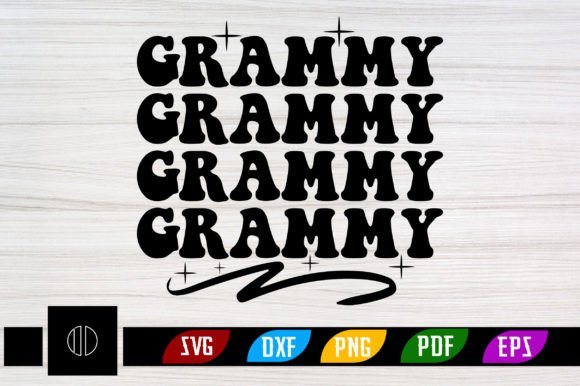
The moment you open the file, the aesthetic speaks for itself. This isn’t a minimalist, modernist approach; it leans heavily into nostalgia. The retro styling suggests warmth, familiarity, and a touch of vintage charm. For an embroidery project, this mood is incredibly valuable. It immediately signals "personalized gift" rather than "generic merchandise." Whether intended for a grandmother’s birthday, a family reunion, or a cozy home decor item, the design carries an emotional weight that drives engagement on platforms like Etsy or at local craft fairs.
From a layout perspective, the balance feels intentional. It doesn’t scream for attention but rather invites a closer look. This subtlety is crucial when working with machine embroidery design files where too much visual noise can lead to a cluttered stitch-out. Here, the shapes appear clean enough to maintain clarity even when stitched in dense threads, yet detailed enough to justify a higher price point for handmade goods.
Real-World Application: Where This Design Shines
I have been thinking about how Grammy Retro Svg Design would perform across various categories of custom apparel and accessories. Based on the vector structure, this file is versatile enough to serve as a centerpiece for several high-demand niches.
- Custom Apparel and Sweatshirts: The retro vibe pairs exceptionally well with heavyweight cotton blends found in sweatshirts and hoodies. When placed on the chest or back, it offers a comfortable, wearable statement piece. The design’s scale seems appropriate for standard placement areas, ensuring it remains legible without overwhelming the garment.
- Tote Bag Embroidery: Canvas tote bags are a staple for the Etsy seller market. This design could easily be adapted as a central motif on a canvas bag. However, care must be taken regarding the stitch density. If the design includes heavy fill areas, it may add significant weight to the bag handle, affecting comfort. A lighter touch or strategic use of satin stitch outlines might be necessary here.
- Baby and Nursery Items: There is a strong market for soft, nostalgic themes in baby clothes and nursery decor. If the design features gentle curves and non-aggressive imagery, it translates beautifully to onesies, bibs, or crib sheets. The retro theme adds a unique twist compared to the usual pastel florals, offering a distinct brand identity for a small shop product.
- Holiday Embroidery and Gifts: Given the likely thematic elements (assuming typical retro tropes), this design could fit perfectly into holiday gifting seasons. Think of embroidered kitchen towels, aprons, or decorative pillows featuring retro typography or icons. These items have high perceived value as personalized gifts because they feel thoughtful and specific.
Technical Considerations and Stitch Performance
As a designer, my excitement is always tempered by technical reality. How does this digital embroidery file behave when digitized and stitched? While the source is an SVG/DXF intended for cutting machines, the principles of composition still apply to how it would be interpreted for embroidery.
If you are converting this for applique design work, the clean lines of the retro shape are advantageous. Applique allows for bold color blocking that mimics the original graphic style while reducing thread consumption. Alternatively, if used as a direct stitch design, pay close attention to the fill stitch areas. Dense fills on curved surfaces, such as the crown of a cap, can cause puckering if not stabilized correctly.
For embroidered patch applications, the design’s distinct edges will help define the border, making it easier to cut out and finish. However, tiny details within the retro illustration might get lost if the final patch size is too small. Always inspect small details before committing to mass production.
Where Caution Is Required
Not every surface is created equal, and Grammy Retro Svg Design has limitations depending on the substrate. You should exercise caution when using this design on:
- Small Hoop Sizes: If the design exceeds your machine’s hoop capacity, you will need to split it, which can compromise the visual integrity. Ensure the design fits comfortably within your largest available hoop.
- Textured or Stretchy Fabrics: Knits and highly textured materials can distort fine lines. On stretchy fabrics, the retro shapes might warp during stitching unless a heavy-duty stabilizer is used. Test on scrap fabric first to see if the design holds its geometric integrity.
- Dense Stitch Areas: Avoid placing large blocks of fill stitch on thin fabrics like silk or lightweight polyester, as the tension may cause bubbling or visible backing through the front.
- Curved Surfaces: When embroidering on caps or rounded containers, complex retro patterns may stretch or compress unevenly. Simplify the design or adjust the digitization to account for curvature.
Business Value and Customer Appeal
From a commercial standpoint, Grammy Retro Svg Design offers strong potential for brand consistency. In the world of handmade products, buyers connect with stories and aesthetics. A retro theme evokes a sense of timelessness and quality, which can enhance customer trust and justify premium pricing.
For craft business owners, the versatility of this design means you can create a cohesive collection. Imagine a matching set of an embroidered apron, a tea towel, and a tote bag all featuring variations of this retro motif. This cross-selling opportunity increases the average order value. Furthermore, creating printable mockups of this design on various products can significantly boost conversion rates online by helping customers visualize the final result.
However, remember that the finished product is only as good as the execution. Use proper stabilizer techniques, select high-quality thread colors that complement the retro palette, and ensure your hoop size is optimized for the chosen fabric. A poorly executed design, no matter how beautiful the source file, will damage your reputation. Conversely, a well-stitched version of this design can become a signature item for your shop.
Final Verdict for the Maker
Overall, Grammy Retro Svg Design is a compelling asset for designers looking to tap into the nostalgia market. It strikes a balance between visual interest and practical stitchability, provided you respect the technical constraints of embroidery. It is particularly well-suited for commercial embroidery projects focused on gifts, home decor, and casual apparel.
Before adding this to your library, take the time to test it thoroughly. Check the contrast against your target fabric, review the stitch density in your software, and confirm licensing terms if you plan to sell the finished product. When done right, this design has the potential to become a bestseller in your handmade product lineup, appealing to buyers who appreciate both style and substance.