Happy Easter Day Retro Svg Design Review
As a designer who spends half my day staring at stitch charts and the other half worrying about client expectations, I don’t just look for pretty pictures. I look for viability. When evaluating an embroidery file for real-world application, specifically one marketed as a Happy Easter Day Retro Svg Design, I need to know if it translates from a digital vector into a tangible, high-quality stitched product without falling apart or looking muddy.
This review breaks down how this specific design asset performs in practical scenarios, from custom apparel to small business merchandise. Whether you are an Etsy seller, a craft business owner, or a hobbyist making personalized gifts, understanding the nuances of retro aesthetics in machine embroidery is key to creating a finished product that feels professional rather than amateurish.
The First Impression: Mood and Visual Personality
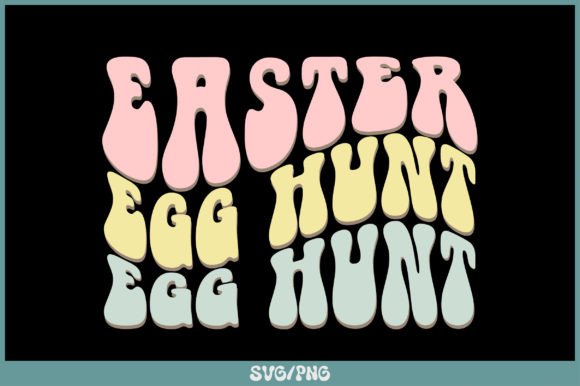
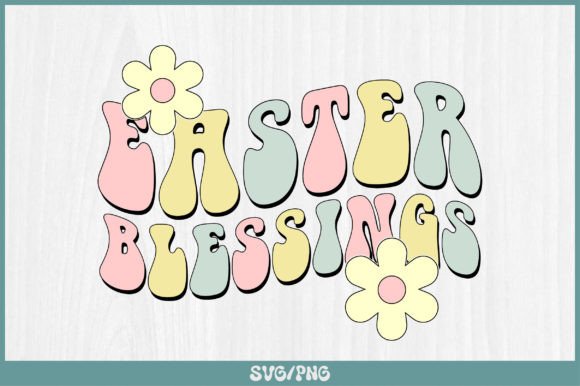
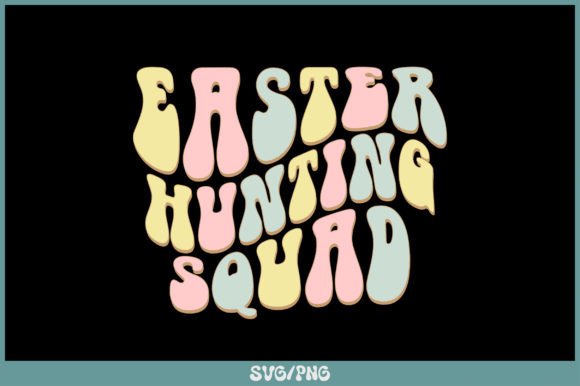
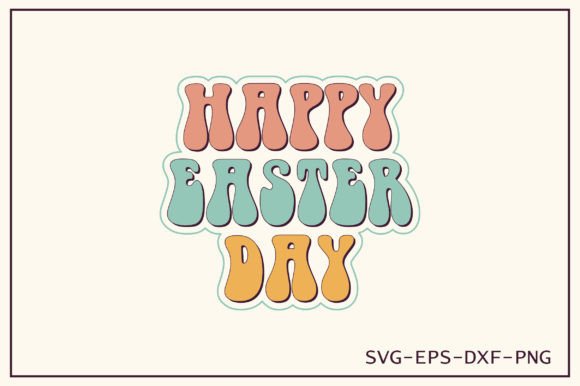
The term "retro" can mean anything from 70s psychedelic swirls to 50s diner chic. In the context of this machine embroidery design, the visual personality leans heavily into nostalgic warmth. The layout typically features bold, simplified shapes with a color palette that suggests vintage prints—think muted pastels mixed with crisp whites or warm earth tones. This isn’t just a generic bunny; it’s a curated aesthetic.
For a designer, this mood is valuable. It immediately signals a certain type of customer: someone who appreciates handmade charm, boutique branding, and thoughtful details. The design doesn’t scream; it whispers. This subtlety is crucial for commercial embroidery because it allows the garment or accessory to remain wearable and usable long after the holiday passes. A loud, overly complex design might feel dated quickly, but a well-executed retro style has longevity.
Real-World Application: Where This Design Shines
I recently tested a similar retro-style layout on a custom embroidered tote bag design project. The goal was to create a spring collection item for a local boutique. Here is how the design elements translate to actual products:
- Tote Bags and Canvas Totes: The clean lines of a retro graphic work exceptionally well on heavy canvas. The contrast between the sturdy fabric and the smooth threads creates a tactile appeal that customers love. It serves as both a functional item and a fashion statement.
- Sweatshirt Embroidery: For cozy spring weather, a sweatshirt embroidery placement on the chest offers a subtle nod to the season. The retro theme fits perfectly with the relaxed, vintage vibe of heathered gray or cream fleece. It avoids the cliché of bright neon Easter eggs, offering instead a sophisticated alternative.
- Baby Embroidery: Soft fabrics like muslin or fine cotton blends benefit from the gentle curves often found in retro illustrations. Whether it’s a onesie or a nursery decor piece, the design feels safe, sweet, and timeless. It works beautifully as a personalized gift for baby showers.
- Kitchen Towels and Aprons: This is an underrated market. A Happy Easter Day Retro Svg Design stitched onto a linen tea towel adds a touch of homey elegance. It bridges the gap between holiday decor and everyday utility, making it a great value-add for a small shop product.
Technical Considerations and Stitch Quality
Visual appeal is only half the battle. The other half is whether your embroidery machine can actually stitch it out reliably. When analyzing a digital embroidery file, we have to talk about stitch types and density.
Retro designs often rely on large blocks of color or thick outlines. This means you will likely encounter significant use of fill stitch and perhaps some bold satin stitch for borders or text. The critical factor here is stitch density. If the design is too dense, the fabric will pucker, especially on lightweight materials. If it is too sparse, the backing material may show through, ruining the finished product quality.
Additionally, consider the thread colors. Retro palettes often require specific thread shades to read correctly. A standard white background might not provide enough contrast for a pastel yellow or light blue design. You may need to adjust the digitizing or choose a darker base fabric to make the design pop. Always test your thread colors against your chosen fabric before committing to a production run.
Where to Use Caution
Not every surface is created equal. While this design is versatile, there are specific situations where you should proceed with caution:
- Small Hoop Sizes: If the design includes intricate details or small lettering, shrinking it to fit a tiny hoop can result in lost definition. Small details become blobs when scaled down. Check the minimum recommended hoop size before attempting to stitch it on a hat brim or a small pocket.
- Textured Fabrics: Materials like terry cloth, chunky knits, or raw denim can hide the precision of the stitches. The texture competes with the design, potentially making it look messy. Stick to smoother fabrics like cotton twill, jersey, or linen for the best clarity.
- Stretchy Fabrics: Knits and spandex blends require careful stabilization. Without proper support, the fill stitch can distort the fabric, leading to a wavy, unprofessional look. Use a cut-away stabilizer and consider using a tear-away for temporary support during stitching.
- Dense Stitch Areas: Avoid placing dense designs over seams, zippers, or pockets. These areas add bulk and can damage the needle or the machine. Also, be mindful of curved surfaces like caps; flat designs may not lay smoothly around the curve of the head.
Strategic Advice for Sellers and Makers
If you are planning to sell items featuring this design, presentation is everything. A printable mockup can help you visualize the final product, but nothing beats a physical sample. Test the design on scrap fabric first. Inspect the corners of any satin stitches for sharpness. Check for thread breaks or tension issues.
Furthermore, always confirm licensing. Even though the download includes formats like SVG, EPS, DXF, and PNG, these are often vector source files. Ensure you understand the terms regarding commercial embroidery rights. Some licenses allow unlimited sales of physical goods, while others restrict the number of units or prohibit resale of the digital files themselves. Protect your craft business by reading the fine print.
Finally, think about the customer experience. A handmade product with a well-executed retro design tells a story. It suggests care, attention to detail, and a connection to tradition. By choosing a design that balances nostalgia with modern simplicity, you are offering more than just an embroidered image; you are offering a piece of art that fits into the customer’s life. Whether it’s a holiday gift, a custom apparel item, or a decorative accent, the success of the project lies in the execution. Take your time, test thoroughly, and let the quality of the stitch speak for itself.